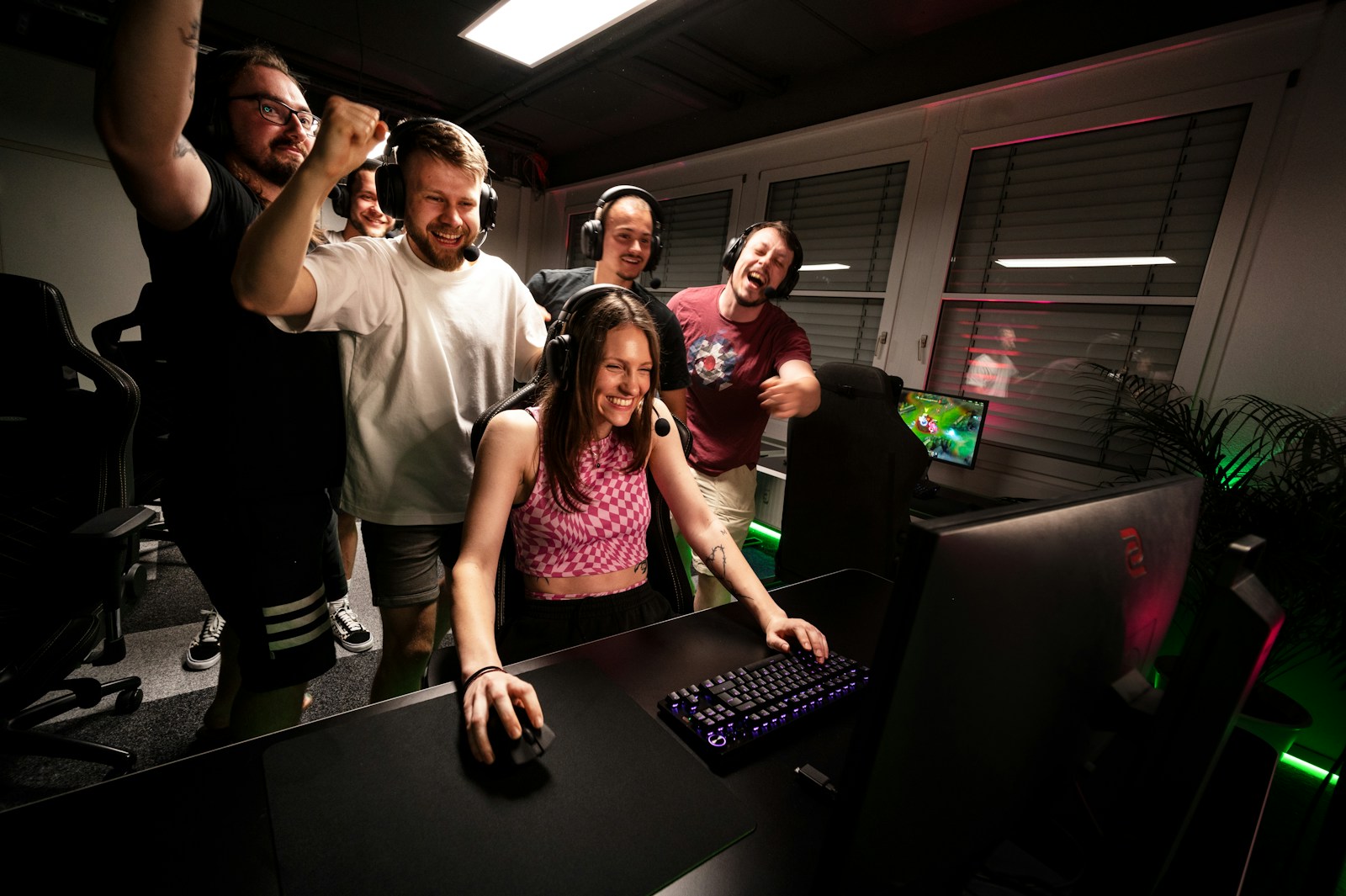
Gaming is more than just a hobby, it’s a cultural phenomenon that has evolved alongside technology, social trends, and player expectations. From pixelated arcades to sprawling open worlds and competitive esports arenas, each generation of gamers has had its own defining experiences, challenges, and innovations.
Understanding these generations gives us insight into the diversity of the gaming community, the evolution of game design, and how player behavior has shifted over time.
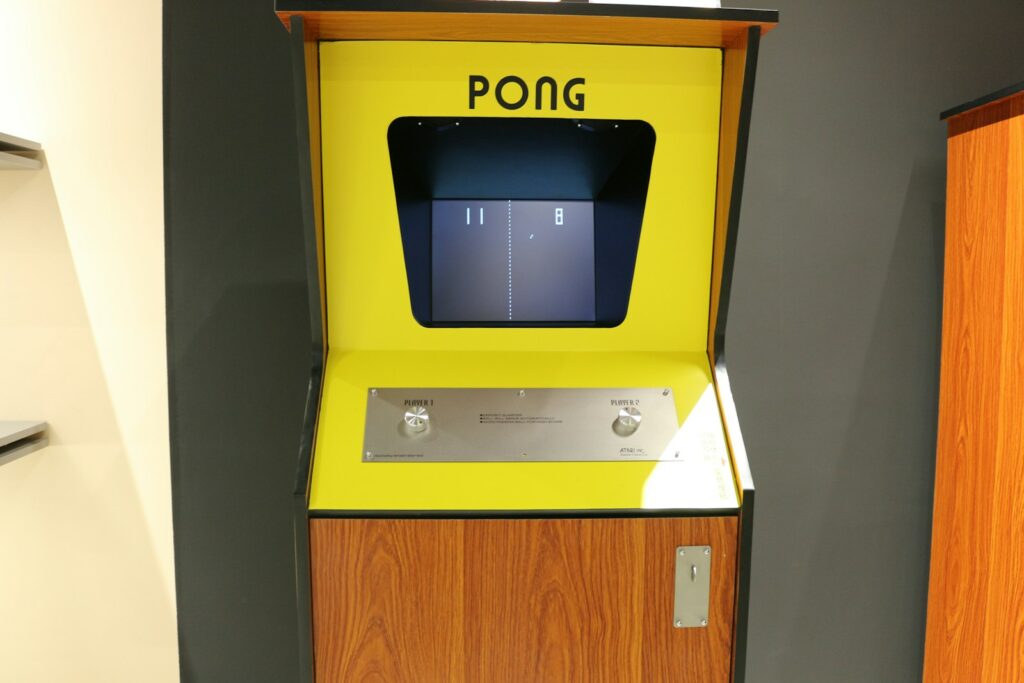
The Arcade Pioneers: Gamers of the Late 1970s – Mid 1980s
The earliest gamers were the pioneers of digital play. These were the players who first flocked to coin-operated arcades, mesmerized by glowing screens, simple controls, and high-score challenges.
Key Games: Pong, Space Invaders, Pac-Man, Donkey Kong
Arcade pioneers were competitive, patient, and obsessed with mastery. With no save files or checkpoints, every move counted. High scores weren’t just bragging rights, they were a public declaration of skill, often displayed on arcade cabinets for everyone to see.
Legacy: These gamers helped establish gaming as a public, social activity. Their love for challenges and competition laid the groundwork for leaderboards, speedrunning, and competitive gaming culture today.
The Home Console Revolution: Late 1980s – 1990s
The arrival of affordable home consoles transformed gaming from public arcades into private living rooms. The Nintendo Entertainment System (NES), Sega Genesis, and Super Nintendo (SNES) brought epic adventures into homes worldwide.
Key Games: Super Mario Bros., The Legend of Zelda, Sonic the Hedgehog, Street Fighter II
Gamers of this era experienced long-form storytelling and persistent progress. Many grew up on cartridge-based games that required patience and memory, developing a strong sense of skill progression, exploration, and discovery.
Legacy: This generation shaped the culture of franchises and fandoms that still thrive today. They also normalized gaming as a mainstream household entertainment option.

The PC Gaming Boom: 1990s – Early 2000s
While consoles brought games home, PC gaming expanded the possibilities of what a game could be. Faster hardware, modding communities, and online connectivity allowed for genres like strategy, simulation, and early first-person shooters to flourish.
Key Games: StarCraft, Diablo II, Half-Life, Counter-Strike
This generation valued creativity, competitive play, and technical mastery. LAN parties became the social hubs of gaming culture, fostering teamwork, rivalries, and the seeds of esports.
Legacy: PC gamers drove the rise of modding, custom content, and online multiplayer, proving that gaming could be more than entertainment, it could be a collaborative and competitive lifestyle.
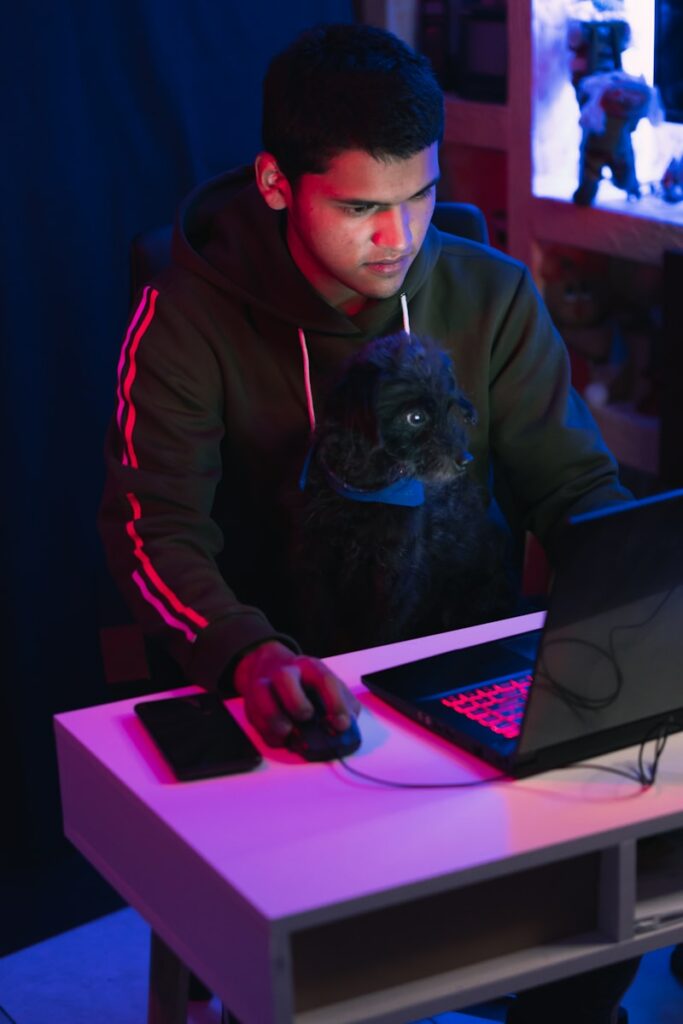
The Online Era: Mid 2000s – 2010s
Broadband internet and social gaming ushered in a new era. Gamers could now connect globally, compete, cooperate, and communicate in real-time.
Key Games: World of Warcraft, Call of Duty, League of Legends, Minecraft
These gamers experienced a shift toward community-driven content and online identity. Achievements weren’t just personal — they were social, shared through guilds, clans, and streaming platforms.
Legacy: This generation popularized online multiplayer, MMORPGs, and competitive esports as a legitimate pastime. It also normalized streaming and content creation as an integral part of gaming culture.
The Mobile & Social Generation: 2010s – Present
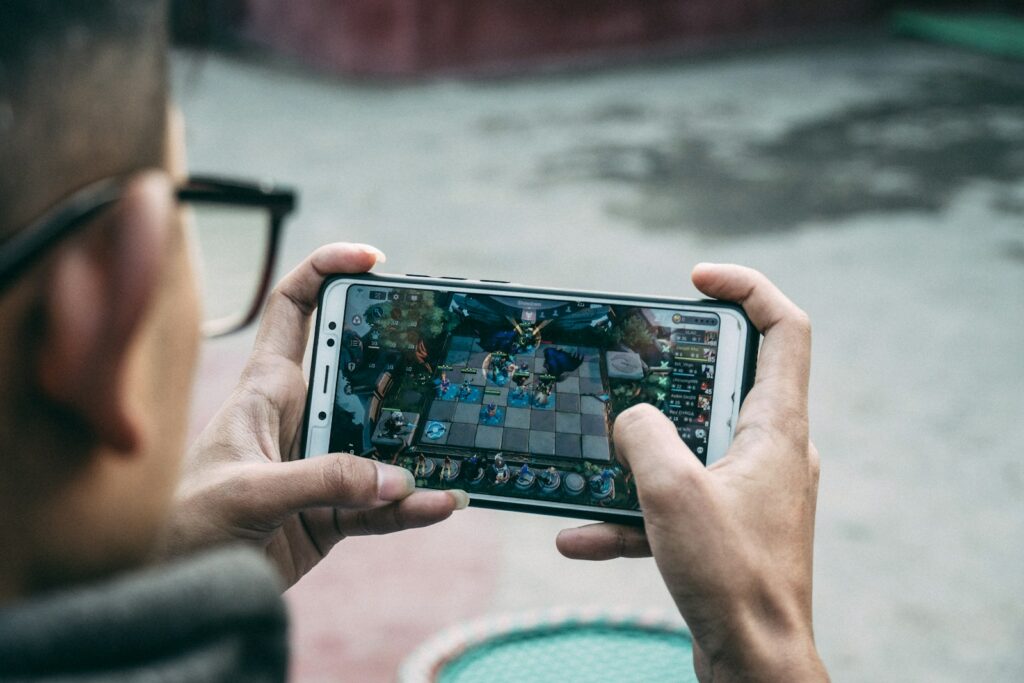
Smartphones and tablets opened gaming to nearly everyone. Gaming became casual, social, and accessible, blending seamlessly with daily life.
Key Games: Clash of Clans, Fortnite, Pokémon GO, Among Us
These gamers are highly social, connected, and collaborative. They engage with games through microtransactions, social media, and streaming platforms. Gaming is less about hardware mastery and more about participation, creativity, and identity.
Legacy: Mobile gamers expanded the audience of gaming exponentially, pushing developers to consider accessibility, social features, and cross-platform play as standard.
Generational Overlaps and Hybrid Gamers
While these categories help understand trends, many gamers span multiple generations. Someone who grew up on SNES may now enjoy Fortnite; a PC gamer from the 2000s might also play mobile games in their downtime. These hybrid gamers carry the best of all worlds, blending nostalgia, technical skill, and social connectivity.
Understanding generational overlaps is critical for developers, community leaders, and content creators. It allows them to build inclusive communities, design relevant experiences, and engage audiences across decades of gaming history.
What This Means for Gaming Communities
Every generation brings its own expectations, play styles, and social norms. For communities like Monolith Gaming, acknowledging these differences allows for:
- Inclusive spaces for casual and competitive players alike
- Event planning that appeals to multiple types of gamers
- Content that resonates across nostalgic and modern audiences
By understanding the history of gaming and its generations, communities can foster harmony between old-school hardcore gamers and new-age social players, ensuring everyone feels welcome.
Final Thoughts
Gaming has evolved dramatically over the last four decades. From coin-operated arcades to immersive online worlds and mobile apps, each generation has contributed to the culture, technology, and social impact of gaming.
Whether you grew up on NES cartridges, PC LAN parties, or Fortnite streams, one thing is clear: gaming is more than entertainment, it’s a unifying culture that transcends age, platform, and era.
The future of gaming will continue to blend these generational experiences, creating communities where both nostalgia and innovation thrive side by side.