
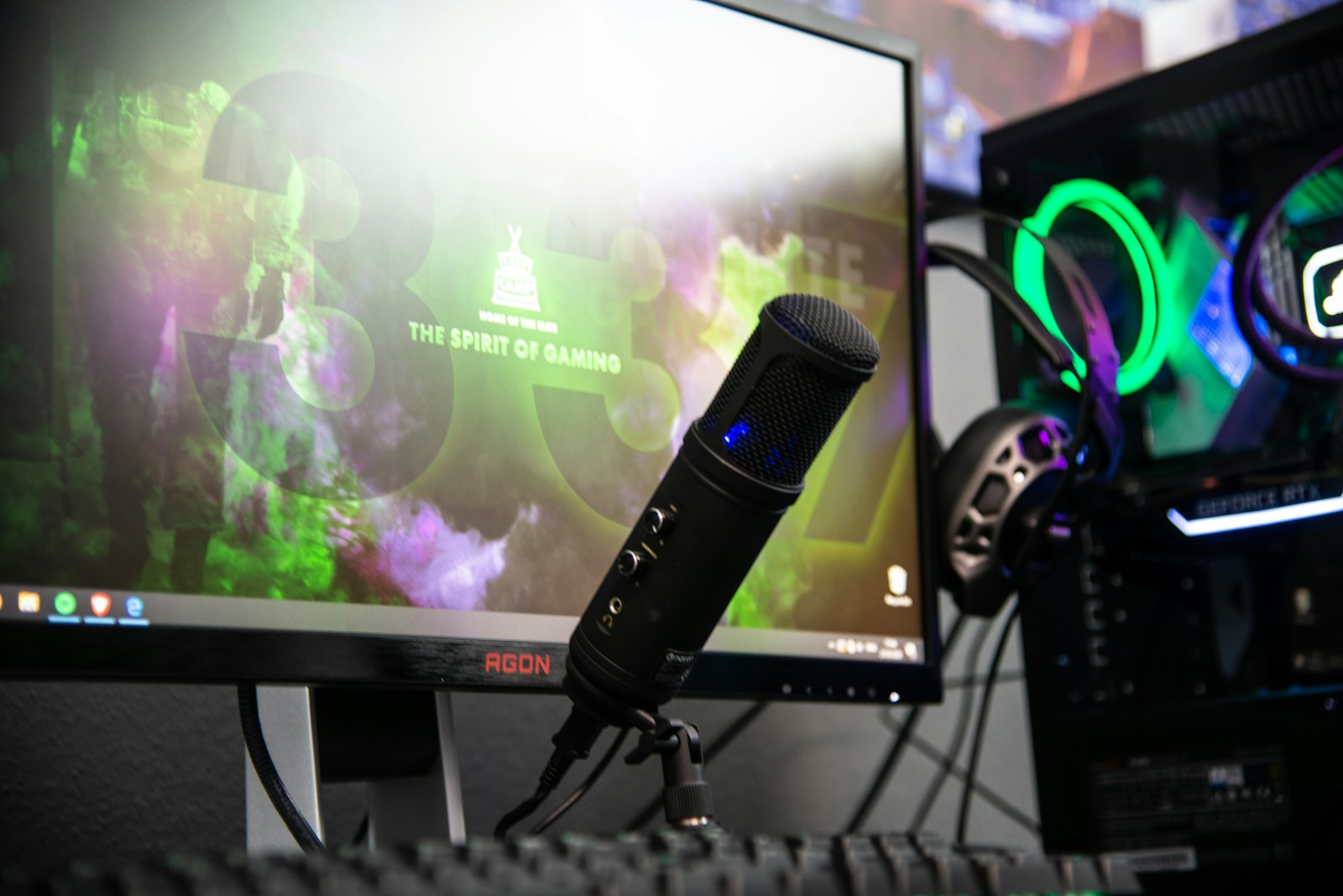
Starting a streaming journey can feel overwhelming. Between choosing a platform, setting up audio and video, learning overlays, and putting yourself live for the first time, many new streamers stall out before they ever build momentum. What separates streamers who last from those who burn out early isn’t raw skill, expensive gear, or luck, it’s community support. When you start streaming with a gaming community behind you, you’re not building from nothing. You’re building from shared trust, familiarity, and encouragement. That foundation dramatically changes how confident you feel on stream, how consistent you remain, and how quickly you grow. This guide explores how to launch and sustain your streaming journey with the backing of a gaming community, and why that support system is one of the most powerful tools a creator can have. Why Community Matters for New Streamers Streaming is not just about gameplay, it’s about connection. Early on, most streams are quiet, viewership fluctuates, and progress feels slow. Streamers who feel socially supported are far more resilient during this phase. A community turns streaming from a solo performance into a shared experience. Having people who show up consistently creates immediate engagement in chat, keeps conversations flowing, and reduces the pressure of “performing” to silence. It also provides emotional reinforcement during slow growth periods, reminding you that your value isn’t defined by viewer counts alone. A strong community provides: Momentum doesn’t come from algorithms first, it comes from people. 1. Choose a Community Before You Choose a Platform Many new streamers obsess over which platform to start on, but the platform matters far less than where you belong. Streaming is easier when you feel aligned with the people watching you. Joining gaming communities centered around specific games, genres, or shared values gives you a built-in audience that already understands your interests. When you contribute genuinely, by helping others, joining conversations, or supporting events, trust develops naturally. Effective ways to build community alignment include: Communities don’t support links, they support people. 2. Start Streaming With Familiar Faces in Chat One of the most intimidating experiences for new streamers is talking to an empty chat. Familiar names immediately change that dynamic. Knowing people are listening allows you to relax, be more natural, and focus on enjoying the moment. Community members don’t need to be loud or constant, even a few regulars lurking or chiming in occasionally makes a massive difference. This early engagement helps set the tone for new viewers who stop by and signals that your stream is worth participating in. Ask your community to support early streams by: Confidence grows faster when you’re not streaming into the void. 3. Use Community Feedback to Improve Faster Communities create fast feedback loops. Instead of guessing what works, you receive real-time input from people who want to see you succeed. This accelerates improvement and prevents common mistakes from becoming long-term habits. Your community can help you fine-tune: This collaborative approach removes pressure to be perfect and replaces it with steady, supported growth. 4. Promote Authentically, Not Aggressively Community-driven promotion works best when it feels natural. Viewers are far more likely to support and share streams when they feel personally connected to the creator. Instead of spamming links, focus on: When promotion is relational, support becomes mutual. 5. Protect Mental Health Through Shared Growth Streaming alone can amplify burnout, self-doubt, and unhealthy comparison. A community helps balance those pressures by sharing both successes and setbacks. Community-backed streamers benefit from: Streaming becomes sustainable when it’s supported, not isolating. Final Thoughts: Stream Together, Grow Together Starting a stream isn’t just a technical decision, it’s a social one. Creators who grow within gaming communities develop stronger confidence, healthier mindsets, and more authentic content. If you want to start streaming, don’t start alone. Build relationships first. Create together. Grow together. The strongest streams aren’t built on numbers, they’re built on community. Follow Twitch for streams, community events, and live gameplay.
Category: Gamer Tips

Maximizing Your Game Time: Tips for Balancing Life and Gaming
Video games are a core part of modern culture, offering entertainment, social connection, stress relief, and even cognitive benefits. But as gaming becomes more immersive and time-intensive, many players struggle to balance their passion with work, school, relationships, and health. Research shows that gaming itself isn’t the problem, how gaming fits into your life is what truly matters. When approached intentionally, gaming can coexist with a healthy, fulfilling lifestyle. This article explores practical ways to maximize your game time while maintaining balance, supported by academic research and expert insights. What Research Says About Gaming and Well-Being Contrary to outdated stereotypes, gaming is not inherently harmful. A large-scale study analyzing real-world gaming data found that video game play can be associated with improved mental well-being, particularly when players feel autonomy and enjoyment rather than pressure or compulsion. Link: ScienceDaily – Video Games and Mental Well-Being Similarly, research published in the American Journal of Preventive Medicine highlights that gaming can support emotional regulation, stress reduction, and social connection when used in moderation. Link: National Institutes of Health – Video Games and Emotional Health Importantly, a landmark study from the Oxford Internet Institute concluded that the quality of gaming experiences matters more than total hours played when it comes to well-being. Link: Oxford Internet Institute – Quality vs Quantity of Gaming 1. Focus on Quality, Not Just Playtime Long gaming sessions aren’t automatically unhealthy. Problems tend to arise when gaming crowds out sleep, responsibilities, or relationships. Research from Oxford emphasizes that players who feel in control of their gaming habits report better emotional outcomes than those who feel compelled to play. Link: Oxford Internet Institute – Gaming Motivation and Well-Being Practical ways to improve quality of play: 2. Create Structure and Boundaries Time management research consistently shows that structured schedules reduce stress and improve satisfaction. Applying this to gaming helps prevent overextension. Studies on time-blocking and focus techniques suggest that separating leisure and responsibility improves performance in both areas. Link: American Psychological Association – Time Management and Stress Helpful boundary-setting strategies include: 3. Protect Physical and Mental Health While gaming can support mental health, prolonged sedentary behavior and poor sleep habits can counteract those benefits. Health researchers recommend regular breaks, movement, and consistent sleep to reduce fatigue and maintain long-term cognitive performance. Link: CDC – Physical Activity and Sedentary Behavior Simple habits that make a difference: 4. Use Gaming as Social Connection, Not Isolation One of gaming’s strongest benefits is social interaction. Studies show that online games can foster meaningful friendships and reduce feelings of loneliness, particularly when gaming is cooperative rather than isolating. Link: Frontiers in Psychology – Social Benefits of Gaming To enhance social value: 5. Recognize When Balance Needs Adjustment Even positive hobbies can become problematic if they’re used exclusively to escape stress or emotions. Mental health professionals suggest reassessing habits when gaming begins to interfere with daily functioning or emotional well-being. Link: World Health Organization – Gaming Disorder Overview Warning signs may include: Adjustment doesn’t mean quitting, it means recalibrating. Final Thoughts: Gaming Thrives With Balance Gaming is not the enemy of productivity, health, or happiness. Research consistently shows that when gaming is balanced with life’s responsibilities, it can enhance well-being rather than diminish it. Link: ScienceDaily – Gaming and Life Satisfaction The key is intentional integration. Gaming should support your life, not compete with it. Maximizing your game time isn’t about playing more hours. It’s about making every hour count.

Problematic Online Behavior: What It Looks Like, Why It Happens, and How We Combat It
The internet has given gamers, creators, and communities an incredible gift: connection without borders. But alongside that connection comes a growing challenge problematic online behavior. From toxic chat and harassment to misinformation and targeted abuse, these behaviors can erode communities, push people away, and turn what should be fun or productive spaces into hostile environments. The good news? Problematic behavior isn’t inevitable and it isn’t unbeatable. Understanding it is the first step toward fixing it. What Is Problematic Online Behavior? Problematic online behavior refers to actions that harm individuals, disrupt communities, or undermine healthy interaction in digital spaces. While it can vary in severity, the cumulative impact is often far greater than people realize. Common Forms Include: Not all problematic behavior is loud or obvious. Sometimes it’s subtle, passive-aggressive remarks, exclusionary jokes, or repeated “small” comments that build a hostile atmosphere over time. Why Does Problematic Behavior Thrive Online? Online environments create conditions that can amplify bad behavior: In gaming spaces especially, competitive pressure, frustration, and ego can combine into explosive interactions if not properly managed. The Real Impact on Individuals and Communities Problematic behavior isn’t “just words.” Its effects are real and lasting: Over time, unchecked toxicity drives away positive contributors and leaves behind the very behavior most people dislike, creating a downward spiral. How Individuals Can Combat Problematic Behavior 1. Don’t Feed the Fire Trolls thrive on attention. Engaging emotionally often escalates the situation rather than resolving it. Use mute, block, or ignore features when appropriate. 2. Use Reporting Tools Responsibly Reporting isn’t “snitching”, it’s community maintenance. Clear, factual reports help moderators take meaningful action. 3. Support the Target, Not the Troll A simple message like “That’s not cool here” or checking in with someone being targeted can make a huge difference. 4. Be Mindful of Your Own Behavior We all have bad days. Pausing before sending a heated message can prevent unnecessary harm. How Communities and Moderators Can Fight Toxicity Clear Rules and Expectations Communities need well-defined guidelines that explain not just what is prohibited, but why. Transparency builds trust. Consistent Enforcement Rules mean nothing if they’re applied selectively. Consistency, regardless of rank, popularity, or tenure — is critical. Empowered Moderation Teams Moderators should be trained, supported, and protected from burnout. Healthy moderators create healthy communities. Positive Reinforcement Highlighting good behavior, rewarding helpful members, and celebrating inclusivity shifts the culture faster than punishment alone. Platform Responsibility Matters Too Platforms play a major role in shaping behavior. Effective tools can drastically reduce toxicity: When platforms invest in community health, users feel safer and more engaged. Creating a Culture That Outgrows Toxicity The most successful online spaces don’t just punish bad behavior, they outgrow it. Culture is built daily through: Healthy communities don’t require perfection, they require effort, empathy, and accountability. Final Thoughts: The Internet Is What We Make It Problematic online behavior isn’t an unsolvable problem. It’s a human one, and that means humans can fix it. Every mute, report, supportive message, and firm boundary contributes to a better digital environment. Whether you’re a player, moderator, or platform owner, your actions matter. Online spaces don’t become safe by accident. They become safe by choice.

Gamer Internet Safety: Tips to Stay Secure While Gaming Online
Online gaming is one of the most fun ways to connect with friends, meet new players, and dive into immersive worlds. But with great gaming comes great responsibility, especially when it comes to internet safety. Hackers, scams, and cyberbullies are unfortunately part of the online gaming landscape, and knowing how to protect yourself is crucial. Here’s a comprehensive guide to staying safe while enjoying your favorite games. 1. Protect Your Personal Information Sharing personal information online can make you a target for scams or identity theft. Always remember: Rule of thumb: if it’s personal, keep it private. 2. Use Strong Passwords and Two-Factor Authentication Protect your accounts from being hacked by using strong, unique passwords for each gaming platform. This adds an extra layer of security, making it harder for hackers to take over your accounts. 3. Be Wary of Scams and Phishing Attempts Scammers often target gamers with promises of free in-game currency, items, or accounts. Keep your guard up: If it seems too good to be true, it probably is. 4. Think Before You Voice or Video Chat Many games allow voice or video chat with strangers. While it’s fun, it can also be risky. Privacy starts with what you share, even a small detail can be revealing. 5. Keep Your Devices Secure Your console, PC, or mobile device can be a target if it’s not secure. Safe devices mean a safer gaming experience. 6. Be Mindful of Online Behavior Being safe isn’t just about security, it’s also about social awareness. Online actions have real consequences. Positive behavior not only keeps you safe but also strengthens your community. 7. Use Privacy Settings Effectively Most gaming platforms have privacy controls, use them to limit who can contact you or see your information. Proper settings give you control over your online presence. 8. Recognize the Signs of a Problem Sometimes gaming itself can be stressful or dangerous if boundaries aren’t maintained. Safety is as much about awareness as it is about tools and settings. Final Thoughts Online gaming should be fun, social, and immersive, not stressful or dangerous. By taking a few simple precautions, staying aware, and setting healthy boundaries, you can enjoy gaming while keeping your personal information, accounts, and mental health secure. Remember: the most skilled player isn’t always the one with the highest score, it’s the one who plays smart, safe, and responsibly.