
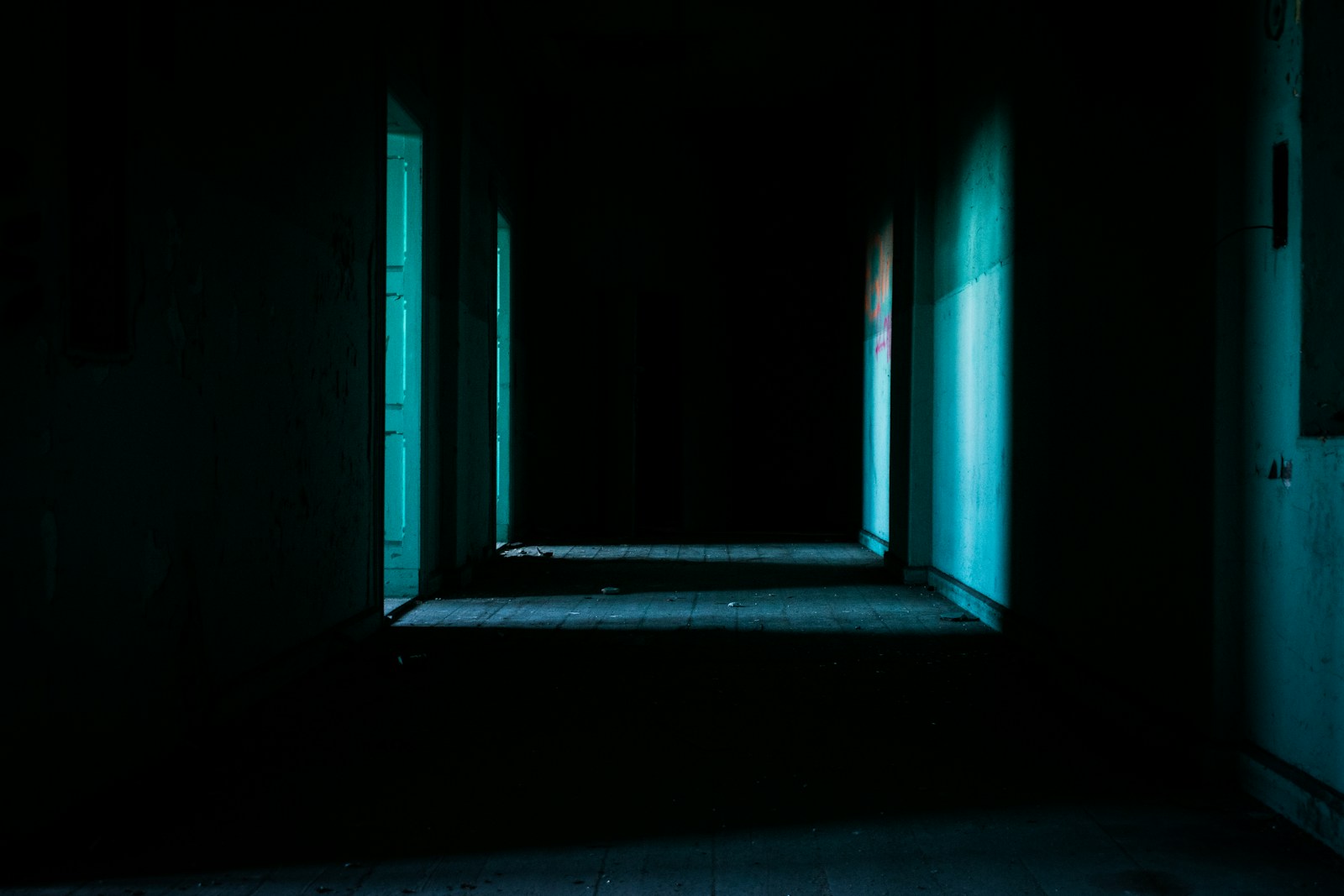
From clunky tank controls to full-body VR terror, horror games didn’t just scare us, they reshaped how we play games entirely. Horror is the only genre that can make you hesitate before opening a door. Not because you lack skill, and not because the game is unfair, but because your brain is telling you something is wrong. That instinctive dread is something films can only simulate. Games force you to act. Every step forward is a choice you make yourself, and that responsibility changes everything. Over the last three decades, horror hasn’t just evolved visually or technically. It has quietly influenced how we move, think, and survive in all games. The 90s: Survival Horror and the Birth of Vulnerability Early horror worked within heavy technical limitations, but those limitations became design strengths. Games like Resident Evil, Silent Hill and Alone in the Dark used fixed camera angles, awkward tank-style controls, and scarce ammunition to make players feel fragile. You weren’t meant to dominate enemies. You were meant to avoid them. Players learned to move carefully, conserve resources, memorize environments, and think before acting. That sense of vulnerability was new at a time when most games were power fantasies, and it laid the groundwork for modern survival mechanics found far beyond horror. The 2000s: Fear Becomes Psychological As hardware improved, horror shifted away from combat and toward atmosphere. Titles like Silent Hill 2, Fatal Frame, Amnesia: The Dark Descent, and Condemned: Criminal Origins proved that dread could be more effective than gunfights. Sound design, darkness, and uncertainty did most of the work. Amnesia even removed combat entirely, forcing players to hide or run. The result was a new kind of fear built on anticipation rather than action, a philosophy that later influenced stealth games and narrative adventures just as much as horror itself. The 2010s: When Horror Became Spectacle The rise of YouTube and Twitch changed horror again. Watching someone panic became entertainment, and developers leaned into that energy. Games such as Outlast, P.T, Alien: Isolation and Five Nights at Freddy’s embraced unpredictable AI, tense chase sequences and short bursts of intensity designed to provoke real reactions. Horror wasn’t just something you played anymore. It became something people watched you survive, turning fear into shared spectacle. The Indie Revolution: Smaller Games, Bigger Risks While big studios chased cinematic production values, indie creators experimented freely. Games like Phasmophobia and Iron Lung, along with the retro-inspired releases from Puppet Combo, showed that rough visuals and short runtimes could be even more unsettling. Lo-fi graphics often leave more to the imagination, and procedural or co-op mechanics create unpredictable scares that feel fresh every time. Indie horror quickly became the genre’s most creative space, proving that atmosphere matters more than budget. VR Horror: When Fear Becomes Physical Virtual reality pushed immersion to its absolute limit. In VR, you can’t lean back or look away from the screen because there is no screen. You physically turn your head, reach for doors, and move your body through space. That physicality makes even small moments overwhelming. Experiences like Resident Evil 7: Biohazard and Half-Life: Alyx show how terrifying presence can be. Fear isn’t happening to a character anymore. It feels like it’s happening to you and many players who handle traditional horror easily find VR almost unbearable. How Horror Changed Games Forever Even outside the genre, horror’s influence is everywhere. Environmental storytelling encourages players to read spaces instead of relying on exposition. Resource management systems reward caution. Slower pacing builds tension through silence and anticipation. Protagonists are allowed to feel vulnerable rather than unstoppable. Horror taught designers that weakness, uncertainty and atmosphere can be more engaging than constant action and modern games across every genre quietly borrow those lessons. Final Thoughts Horror has always been gaming’s experimental lab. It removes power, breaks rules and embraces discomfort, yet those risks consistently push the medium forward. Because fear forces us to engage differently. It makes us slow down, listen closely and think before we act. And sometimes, it makes us stare at a door for a full minute before we finally open it. No other genre does that.
Category: Gaming News
2026 and the Rise of the Indie Powerhouse
Monolith Gaming is stepping into 2026 with a clear message: this is the year independent studios redefine the gaming landscape. Across every genre and platform, indie developers are outpacing expectations, out innovating major publishers, and capturing the imagination of players hungry for originality. This isn’t hype. This isn’t wishful thinking. The data, the releases, and the industry momentum all point to one truth, 2026 belongs to the indies. 1. Indie Titles Are Outperforming AAA Releases in Innovation and Storytelling While blockbuster studios continue to lean on sequels and safe formulas, indie teams are pushing boundaries with bold mechanics, experimental narratives, and deeply personal themes. Industry trend reports highlight how the landscape is shifting, with smaller studios gaining recognition and awards once dominated by AAA giants. Games like Clair Obscur: Expedition 33, Hades 2, and Hollow Knight: Silksong set the tone in 2025 and 2026’s slate is even stronger. 2. Modern Tools Are Empowering Small Teams Like Never Before Engines such as Unreal Engine 5, Unity, and Godot have lowered the barrier to entry for high‑fidelity visuals, advanced physics, and cinematic storytelling. Reports on 2026’s development landscape show how these tools are enabling small teams to build ambitious, award winning experiences that rival major studios. Many of the most promising 2026 indie titles are built by teams of fewer than 10 developers, yet they deliver production quality once thought impossible without AAA budgets. 3. Community‑Funded and Community‑Shaped Games Are Rising Players are no longer passive consumers, they’re collaborators. Crowdfunding, open development, and community playtests are shaping the direction of indie titles long before launch. Industry surveys show a growing shift toward community driven development models, with developers embracing transparency and iteration as core strengths. This collaborative approach is helping under‑the‑radar projects gain traction early in 2026, turning niche ideas into breakout hits. 4. Players Are Choosing Originality Over Blockbuster Formulas Gamers are increasingly gravitating toward fresh ideas rather than predictable AAA loops. Analysts covering 2026’s trends note that players are seeking unique art styles, experimental gameplay, and emotional depth areas where indie studios excel. From poetic stop‑motion adventures to challenging roguelikes, the indie scene is delivering experiences that feel handcrafted, meaningful and players are responding. 5. Standout Indie Titles Are Already Defining the Year Gaming outlets have published extensive previews of the most anticipated indie games of 2026 and the lists are stacked. Titles like Decrepit, Out of Words, Slay the Spire 2, Infinitesimals, and Neverway are generating massive buzz. Industry trend reports emphasize that 2026 is a structural turning point for the gaming ecosystem, with indie studios poised to lead innovation across genres. 6. How This Momentum Aligns With Monolith Gaming’s Vision At Monolith Gaming, we believe in the power of creativity, community, and fearless experimentation, the very qualities driving the indie surge. As the industry shifts toward player driven innovation, we’re committed to supporting the developers, ideas, and experiences that define this new era. 2026 isn’t just another year in gaming. It’s a turning point and Monolith Gaming is here for it. 7. Monolith Gaming Is Already Living This Indie Future As we talk about the rise of indie innovation, we’re not speaking from the sidelines. We’re actively part of it. At the time of this article, Monolith Gaming is deep into weekly community playtests for an upcoming indie title called Ascent Rivals. This project is being developed by two brothers who embody everything that makes the indie scene so powerful: creativity, agility, and a genuine connection to their players. What sets their approach apart is the consistency and transparency of their development cycle. Every week, they release new builds, new iterations, and new changes, all shaped directly by feedback from Monolith members and players from further afield. It’s the perfect example of why 2026 belongs to the indies. Small teams with big ideas, supported by communities who care about the craft. And we’re proud to be part of that journey. Join the Ascent Rivals Playtests If you want to experience the future of indie development firsthand, now is the time to jump in. Ascent Rivals is holding regular weekly playtests, and every session helps shape the next iteration of the game. Whether you’re a competitive racer, a mechanics‑focused tester, or someone who simply loves watching a game evolve in real time, your feedback matters. To take part in upcoming playtests, join the Monolith Gaming community on Discord where playtest announcements are shared. Join the playtests here: Monolith Gaming Discord You can also learn more about the project itself at ascentrivals.com. Be part of the development. Be part of the community. Be part of the indie future.

David vs. Goliath: How Indie Games Are Competing with Gaming Giants
The gaming industry has long been dominated by big studios, companies with massive budgets, massive teams, and massive marketing campaigns. From AAA blockbusters to franchise sequels, the expectation has always been that bigger is better. But in recent years, a new contender has emerged: indie games. Small studios, solo developers, and experimental teams are challenging the giants in ways that are reshaping the industry. Indie games aren’t just surviving, they’re thriving, often rivaling the creativity, quality, and cultural impact of major releases. The Indie Revolution: Creativity Over Capital Indie developers don’t have the financial backing of AAA studios, but they have something just as valuable: freedom. Without shareholder pressure, executives, or rigid annual release schedules, indie teams can experiment boldly. They can focus on: Games like Hollow Knight, Celeste, and Hades exemplify this trend, deeply personal stories, finely tuned mechanics, and innovation that AAA games often struggle to match. Digital Distribution Leveled the Playing Field Platforms like Steam, Epic Games Store, Itch.io, and console digital marketplaces have allowed indie developers to reach global audiences without the traditional retail barriers. Players can now discover, purchase, and stream indie games with the same ease as AAA titles. These platforms have democratized game publishing. With lower overhead, indie games can compete not by budget, but by quality, originality, and community engagement. Community-Driven Success Indie developers often leverage tight-knit communities to build hype, gather feedback, and improve their games before release. Platforms like Discord, Reddit, and Kickstarter allow players to feel involved in development in ways big studios rarely provide. Games like Among Us or Stardew Valley grew largely through word-of-mouth and community enthusiasm rather than massive advertising campaigns. This approach fosters loyalty, engagement, and grassroots marketing that AAA studios sometimes fail to capture. Innovation in Gameplay Big studios often rely on sequels, franchises, and safe formulas because of financial pressure. Indie developers, however, can take risks. This has led to a renaissance of gameplay innovation: Indie games often push boundaries that even AAA developers hesitate to explore. Marketing Without the Mega-Budget Indie developers may not have millions to spend on Super Bowl ads, but savvy marketing strategies can level the field: Modern gamers often trust communities and creators over traditional advertising, meaning indie studios can punch above their weight in visibility and impact. Recognition and Awards Indie games are no longer niche curiosities, they’re winning major awards and competing with AAA blockbusters in categories like design, music, and storytelling. Shows like the Game Awards now feature dedicated indie categories, and many indies have won over AAA titles in critical acclaim. This recognition demonstrates that indie games are not only creative but also respected within the industry as serious contenders. The Challenge for AAA Studios Big studios face new pressures because indie games have reset expectations. Players now demand: AAA studios must now balance spectacle with innovation, a challenge that indie developers meet naturally through creativity and agility. Why Indie Games Will Continue to Rise Several factors suggest indie games are here to stay as legitimate competitors to the giants: Indies don’t just compete, they inspire, challenge, and redefine what players expect from games. Final Thoughts The gaming industry is no longer just about who has the biggest budget or the flashiest marketing. Indie games have proven that creativity, community engagement, and innovation can rival, and sometimes surpass, the offerings of AAA studios. For gamers, this means more variety, more risks, and more unique experiences than ever before. For developers, it’s a call to embrace originality and authenticity. And for the industry as a whole, it’s a reminder that in gaming, sometimes David really can beat Goliath. Whether you’re a fan of sprawling AAA epics or intimate indie masterpieces, one thing is clear: the future of gaming is diverse, innovative, and more exciting than ever.
The Games I Can’t Stop Thinking About for 2026 (and Beyond)
Working closely with weekly game news and upcoming release coverage has been both a blessing and a curse. On one hand, I get early looks at exciting projects and hidden gems. On the other? My wishlist has completely spiraled out of control. I used to pride myself on keeping it under control, hovering around 400 titles at any given time. Somewhere along the way, that number exploded past 900… and it’s still climbing. So instead of fighting the inevitable, I decided to embrace it. Below is a curated list of the games I’m most eagerly anticipating as we head into 2026 and beyond. These aren’t ranked by hype or popularity, just by the sheer excitement they’ve sparked in me. Let’s dive in. Tides of Annihilation Developer: Eclipse Glow GamesPublisher: Eclipse Glow GamesGenre: Action, AdventureRelease: Coming Soon Arthurian legend has slowly worked its way into my heart, largely thanks to someone very close to me who adores the mythos. What began as casual exposure quickly turned into a genuine fascination — and Tides of Annihilation feels like a love letter to that world. The protagonist immediately stood out, both visually and thematically, and the game’s darker reimagining of classic legend is exactly my kind of fantasy. The only downside? We’re still waiting on a concrete release date — and the anticipation is brutal. Animula Nook Developer: LilliLandia GamesPublisher: LilliLandia GamesGenre: Adventure, RPG, CasualRelease: To Be Announced I’ve poured countless hours into cozy life sims over the years, and while a few have come close, none have truly replaced that familiar comfort loop, until Animula Nook caught my eye. The art style alone stopped me in my tracks. Soft, inviting, and bursting with charm, it feels like the missing piece I didn’t know I was searching for. If you love wholesome games that emphasize atmosphere and gentle progression, this one deserves a spot on your radar. Outbound Developer: Square Glade GamesPublisher: Square Glade GamesGenre: Adventure, Indie, SimulationRelease: Q2 2026 Road trips, exploration, and cozy survival mechanics are a perfect mix, and Outbound leans hard into that fantasy. Early impressions already had me interested, but seeing how well the project performed during crowdfunding cemented my excitement. The idea of setting off on a digital road trip, customizing a mobile home, and simply existing in a beautifully crafted world sounds like a dream. This is one of those games that feels like it’ll be best enjoyed slowly, savoring every mile. Forsaken Lands Developer: Lunisky StudioPublisher: Lunisky StudioGenre: Adventure, IndieRelease: Q2 2026 Co-op games have been thriving lately, and Forsaken Lands looks poised to add something special to the mix. Deckbuilders are a genre I always mean to play more of, and combining that with cooperative roguelite elements feels like a perfect fit. With charming heroes, multiple modes, and room for strategic teamwork, this one looks cozy without sacrificing depth, exactly the kind of balance I enjoy. Bloody Hell Hotel Developer: Unfold GamesPublisher: Unfold GamesGenre: SimulationRelease: 2026 Management sims are always a weakness of mine, and Bloody Hell Hotel blends that formula with gothic charm in the best possible way. The visual style walks a delightful line between spooky and playful, and the idea of running a supernatural hotel is endlessly appealing. Plus, any game bold enough to feature an undead cow immediately earns my attention. Witchbrook Developer: Chucklefish, RobotalityPublisher: ChucklefishGenre: RPG, SimulationRelease: 2026 I’ve been keeping an eye on Witchbrook for what feels like forever, and it still hasn’t lost its magic. Life sims centered around community, discovery, and personal growth never get old, especially when wrapped in witchy charm. The pixel art is stunning, the co-op potential is exciting, and the promise of building relationships and uncovering secrets makes this one feel special. Moonlight Peaks Developer: Little ChickenPublisher: XSEED GamesGenre: RPG, SimulationRelease: 2026 Life sims don’t often stray far from familiar territory, which is why Moonlight Peaks immediately grabbed my attention. Playing as a vampire, brewing potions, and interacting with supernatural townsfolk feels like a refreshing twist on the genre. The gothic aesthetic is gorgeous, and even as a single-player experience, the world looks rich enough to lose hours in. Resident Evil Requiem Developer: CAPCOMPublisher: CAPCOMGenre: Action, AdventureRelease: February 27, 2026 Survival horror has been having a strong resurgence, and Resident Evil Requiem looks ready to continue that momentum. Experiencing a brand-new entry alongside the community from day one is something I’m especially excited about. The atmosphere looks tense, unsettling, and polished, perfect for scratching that horror itch year-round. CODE VEIN II Developer: Bandai Namco StudiosPublisher: Bandai Namco EntertainmentGenre: Action RPGRelease: January 29, 2026 Even without extensive hands-on time with the original, CODE VEIN II has my attention. The visual flair, fast-paced combat, and narrative choices all point toward a stylish and engaging experience. The promise of meaningful story decisions adds an extra layer that I’m eager to explore. Vampires: Bloodlord Rising Developer: Mehuman GamesPublisher: Toplitz ProductionsGenre: Action RPGRelease: January 30, 2026 Gothic worlds and vampire lore have always been a favorite of mine, so Bloodlord Rising feels tailor-made for my interests. Managing a clan, expanding a stronghold, and navigating power struggles, all with co-op support — sounds like an experience I’ll happily sink into. Heroes of Might and Magic: Olden Era Developer: UnfrozenPublisher: Hooded HorseGenre: Strategy, RPGRelease: 2026 This one carries a heavy dose of nostalgia. Watching family members pour hours into earlier entries left a lasting impression, even if I didn’t fully appreciate it at the time. Now, with a modern revival on the horizon, it feels like the perfect opportunity to finally experience the series properly, and share that journey. Blight: Survival Developer: Haenir StudioPublisher: Behaviour InteractiveGenre: Action, AdventureRelease: TBA Dark medieval settings paired with survival mechanics are a recipe for tension, and Blight: Survival looks dripping with atmosphere. While not strictly a soulslike, the oppressive world and cooperative gameplay promise intense encounters and unforgettable moments, assuming we survive long enough. Total Chaos Developer: Trigger Happy InteractivePublisher: Apogee EntertainmentGenre: Psychological HorrorRelease: November 20, 2025 Closing out the list is…