Few franchises carry the weight that Diablo does. For many of us, Diablo wasn’t just a game, it was a late-night ritual, a test of friendships (“don’t ninja-loot that”), and a gateway into dark fantasy obsession. With Diablo IV, Blizzard didn’t just try to recapture that magic, they reforged it in hellfire, and by Season 11, the result feels more confident, more complete, and more Diablo than it has in decades.
A World Worth Dying In (Again and Again)
From the moment you step into Sanctuary, Diablo IV makes one thing very clear: this world hates you, and that’s exactly why you’re here.
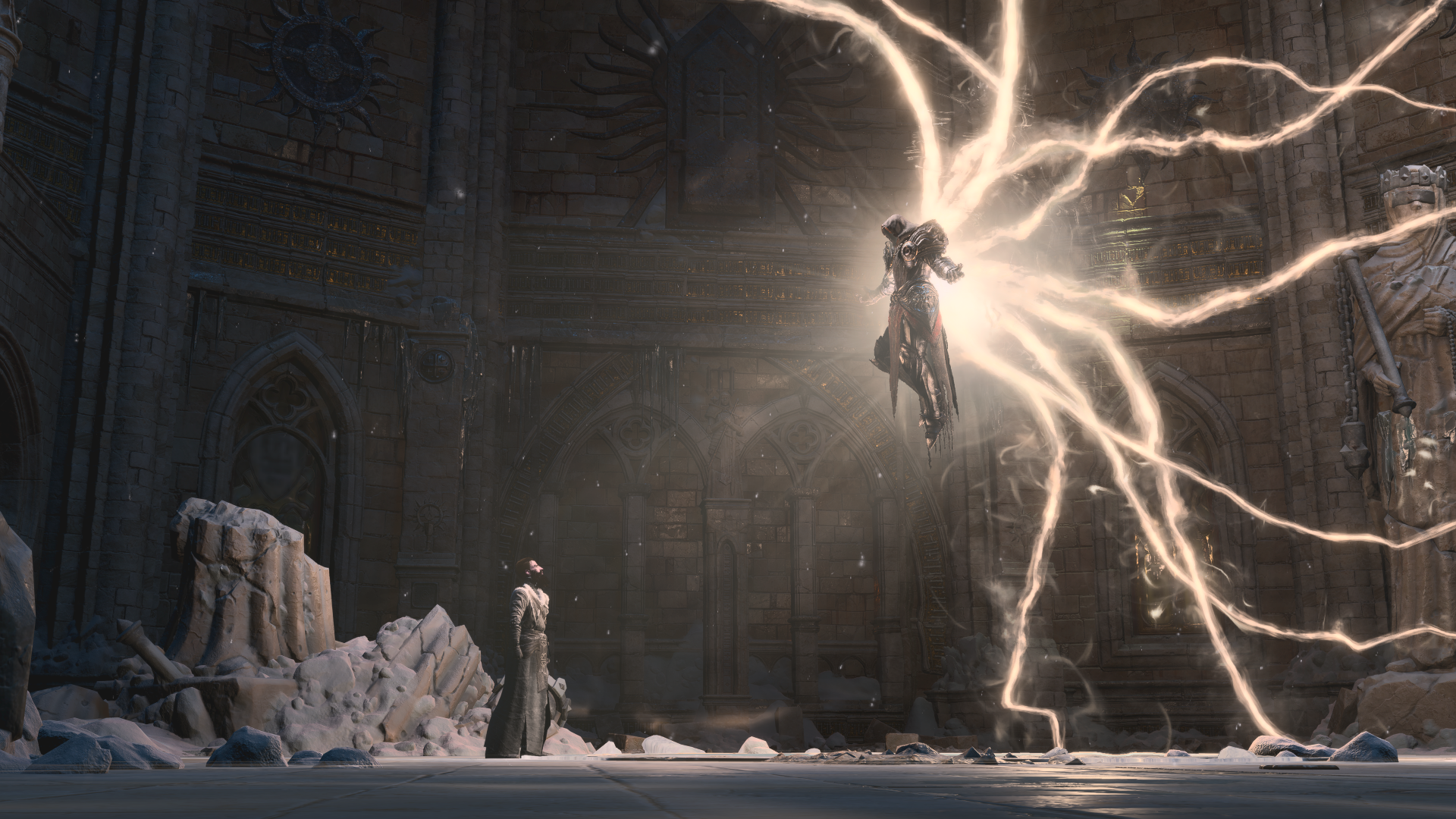
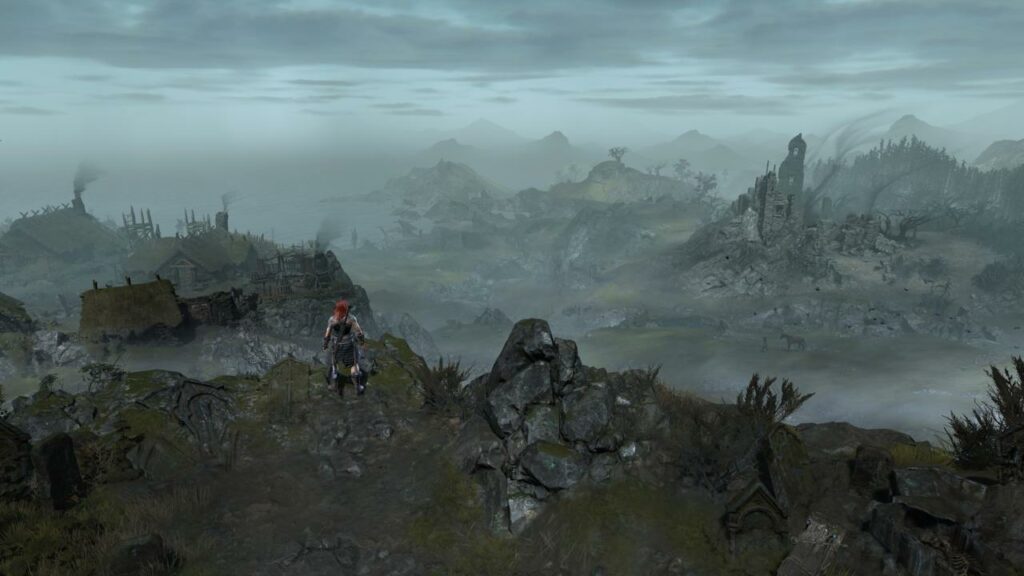
Gone is the colorful, almost cartoonish tone of Diablo III. In its place is a grim, oppressive atmosphere that feels far closer to Diablo II’s gothic despair, but realized with modern fidelity. Blood stains the snow. Villages feel desperate, not quirky. Dungeons are claustrophobic, oppressive, and soaked in dread.
Blizzard absolutely nailed the tone. Sanctuary feels ancient, cursed, and indifferent to your survival, which makes every small victory feel earned.
Combat: Weighty, Brutal, and Addictive
Diablo IV’s combat is one of its strongest pillars. Every class feels distinct, tactile, and impactful.
- Attacks land with real weight
- Sound design sells the brutality
- Animations feel deliberate, not floaty
Compared to Diablo III’s faster, arcade-style combat, Diablo IV slows things down just enough to make positioning, cooldowns, and enemy mechanics matter again, a design philosophy longtime Diablo II fans will immediately appreciate.
By Season 11, balance has reached one of the healthiest states the game has seen. Multiple builds per class feel viable, experimentation is rewarded, and you’re no longer forced into a single “meta or bust” playstyle.
Season 11: Where Diablo IV Hits Its Stride
Season 11 doesn’t try to reinvent Diablo IV, it refines it, and that’s exactly what the game needed.
This season focuses on:
- Deeper endgame progression
- More meaningful seasonal mechanics
- Improved build flexibility
- Rewards that respect the player’s time
Seasonal mechanics integrate naturally into gameplay instead of feeling bolted on, and the reward loop is tighter, clearer, and more satisfying.
Most importantly, Season 11 respects the player’s time. Progression feels steady, not exhausting. You’re encouraged to push further, not burned out trying to keep up.
Endgame: Finally Worth the Grind
At launch, Diablo IV’s endgame had promise, but by Season 11, it has purpose.
Nightmare Dungeons, world events, boss farming, and seasonal systems now work together instead of competing for attention. There’s always something productive to do, whether you’re playing for 30 minutes or five hours.
Compared to Diablo III’s Greater Rift tunnel vision, Diablo IV offers variety. Compared to Diablo II’s endless Baal runs, it offers structure.
Grinding feels intentional again, and that’s a massive win.
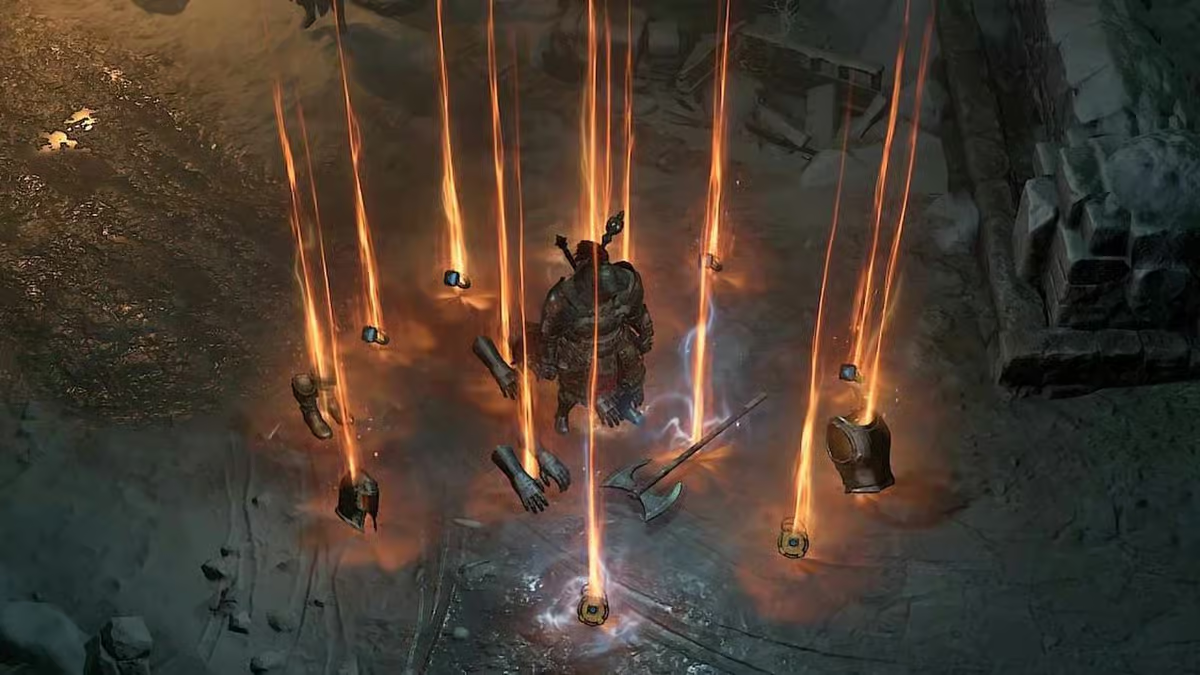
Loot: Less Confetti, More Meaning
Loot in Diablo IV sits comfortably between its predecessors.
- Less chaotic than Diablo III
- More readable than Diablo II
- More impactful than both when done right
By Season 11, itemization improvements have made drops feel exciting again. You’re not drowning in useless legendaries, and when something powerful drops, you feel it.
Aspects, uniques, and build-defining items now hit the sweet spot where you’re chasing upgrades, not just higher numbers.
Lore: Lilith Steals the Show
Lilith is easily one of the strongest antagonists the Diablo franchise has ever delivered.
Where Diablo himself represents raw destruction, Lilith represents ideology. She doesn’t want to burn Sanctuary, she wants to claim it. Her presence introduces moral ambiguity rarely explored in earlier Diablo titles.
The game isn’t afraid to ask uncomfortable questions:
- Is humanity worth saving?
- Is suffering the price of free will?
- What happens when angels and demons both fail us?
For lore fans, Diablo IV feels like a love letter to the franchise’s darker roots, expanding Sanctuary’s history without relying on cheap nostalgia.
Multiplayer Without Losing the Solo Soul
The shared-world elements are subtle, and that’s a good thing.
You’ll encounter other players in towns and world events, but Diablo IV never forgets that this is still a solo-first experience at its core. Multiplayer enhances the world instead of hijacking it.
Whether you play alone, with friends, or in short sessions, Diablo IV adapts to your pace.
Comparing the Diablos: Where IV Stands
- Diablo I – Pure horror and atmosphere
- Diablo II – Depth, darkness, iconic itemization
- Diablo III – Speed, accessibility, spectacle
- Diablo IV – Balance, maturity, identity
Diablo IV doesn’t try to be the best at everything, it aims to be the most complete Diablo experience, and by Season 11, it’s succeeding.
Final Verdict: Diablo Is Back Where It Belongs
Diablo IV isn’t perfect, no Diablo game ever has been. But by Season 11, it feels confident, grounded, and deeply respectful of the franchise’s legacy.
Diablo isn’t just about killing demons. It’s about atmosphere, struggle, obsession, and the endless pull of “just one more run.”
For veterans, it feels like coming home.
For newcomers, it’s the best entry point the series has ever offered.
Sanctuary is broken.
Hell is waiting.
And Diablo IV is absolutely worth the descent.