From clunky tank controls to full-body VR terror, horror games didn’t just scare us, they reshaped how we play games entirely.
Horror is the only genre that can make you hesitate before opening a door.
Not because you lack skill, and not because the game is unfair, but because your brain is telling you something is wrong. That instinctive dread is something films can only simulate. Games force you to act. Every step forward is a choice you make yourself, and that responsibility changes everything.
Over the last three decades, horror hasn’t just evolved visually or technically. It has quietly influenced how we move, think, and survive in all games.
The 90s: Survival Horror and the Birth of Vulnerability
Early horror worked within heavy technical limitations, but those limitations became design strengths. Games like Resident Evil, Silent Hill and Alone in the Dark used fixed camera angles, awkward tank-style controls, and scarce ammunition to make players feel fragile.
You weren’t meant to dominate enemies. You were meant to avoid them. Players learned to move carefully, conserve resources, memorize environments, and think before acting. That sense of vulnerability was new at a time when most games were power fantasies, and it laid the groundwork for modern survival mechanics found far beyond horror.
The 2000s: Fear Becomes Psychological
As hardware improved, horror shifted away from combat and toward atmosphere. Titles like Silent Hill 2, Fatal Frame, Amnesia: The Dark Descent, and Condemned: Criminal Origins proved that dread could be more effective than gunfights.
Sound design, darkness, and uncertainty did most of the work. Amnesia even removed combat entirely, forcing players to hide or run. The result was a new kind of fear built on anticipation rather than action, a philosophy that later influenced stealth games and narrative adventures just as much as horror itself.
The 2010s: When Horror Became Spectacle
The rise of YouTube and Twitch changed horror again. Watching someone panic became entertainment, and developers leaned into that energy. Games such as Outlast, P.T, Alien: Isolation and Five Nights at Freddy’s embraced unpredictable AI, tense chase sequences and short bursts of intensity designed to provoke real reactions.
Horror wasn’t just something you played anymore. It became something people watched you survive, turning fear into shared spectacle.
The Indie Revolution: Smaller Games, Bigger Risks
While big studios chased cinematic production values, indie creators experimented freely. Games like Phasmophobia and Iron Lung, along with the retro-inspired releases from Puppet Combo, showed that rough visuals and short runtimes could be even more unsettling.
Lo-fi graphics often leave more to the imagination, and procedural or co-op mechanics create unpredictable scares that feel fresh every time. Indie horror quickly became the genre’s most creative space, proving that atmosphere matters more than budget.
VR Horror: When Fear Becomes Physical
Virtual reality pushed immersion to its absolute limit. In VR, you can’t lean back or look away from the screen because there is no screen. You physically turn your head, reach for doors, and move your body through space. That physicality makes even small moments overwhelming.
Experiences like Resident Evil 7: Biohazard and Half-Life: Alyx show how terrifying presence can be. Fear isn’t happening to a character anymore. It feels like it’s happening to you and many players who handle traditional horror easily find VR almost unbearable.
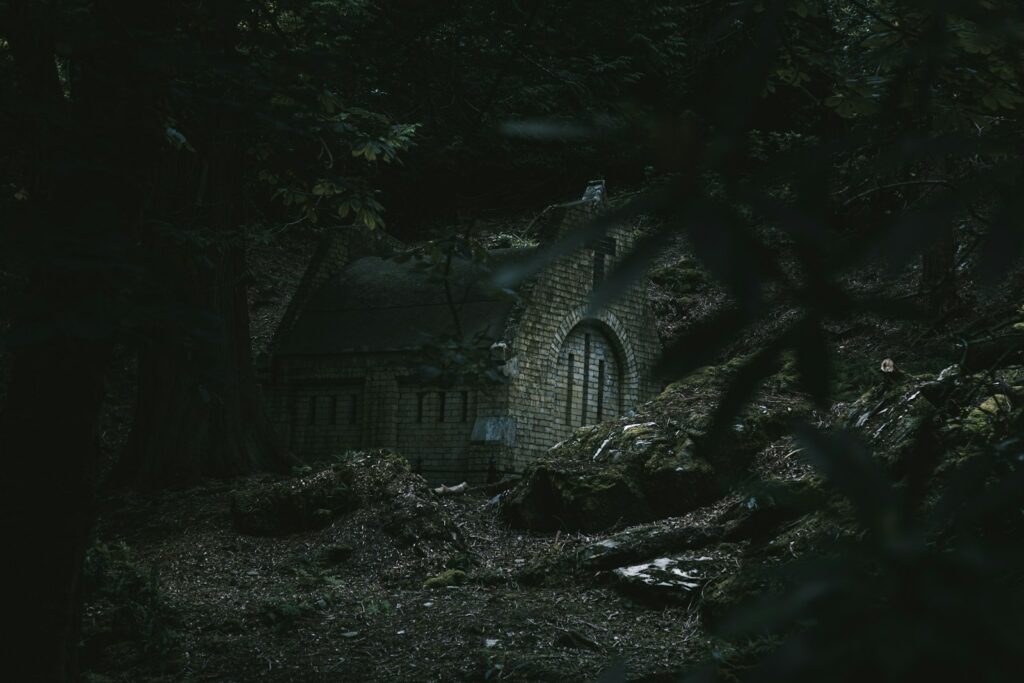
How Horror Changed Games Forever
Even outside the genre, horror’s influence is everywhere. Environmental storytelling encourages players to read spaces instead of relying on exposition. Resource management systems reward caution. Slower pacing builds tension through silence and anticipation. Protagonists are allowed to feel vulnerable rather than unstoppable.
Horror taught designers that weakness, uncertainty and atmosphere can be more engaging than constant action and modern games across every genre quietly borrow those lessons.
Final Thoughts
Horror has always been gaming’s experimental lab. It removes power, breaks rules and embraces discomfort, yet those risks consistently push the medium forward.
Because fear forces us to engage differently. It makes us slow down, listen closely and think before we act. And sometimes, it makes us stare at a door for a full minute before we finally open it.
No other genre does that.