
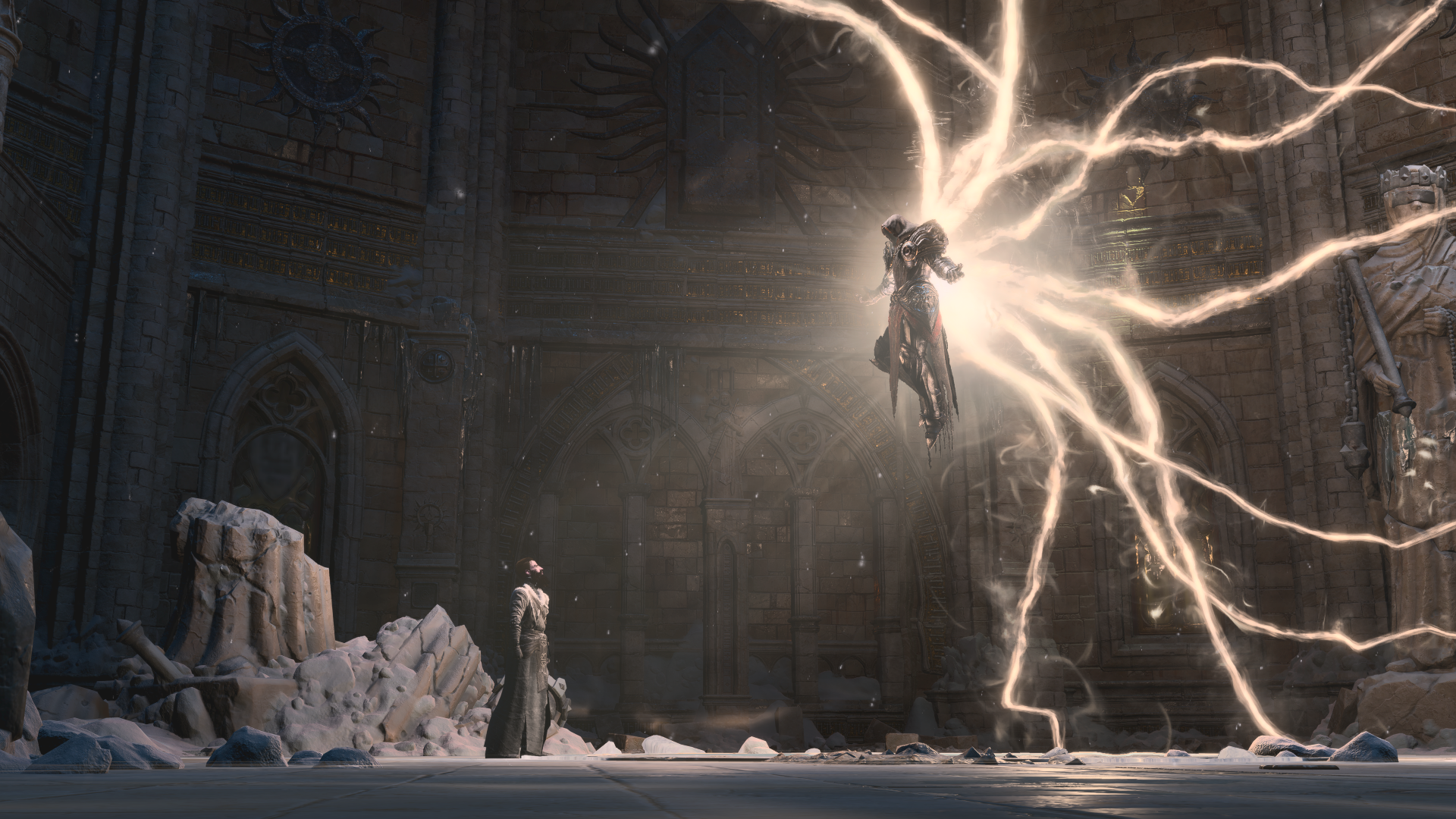
Few franchises carry the weight that Diablo does. For many of us, Diablo wasn’t just a game, it was a late-night ritual, a test of friendships (“don’t ninja-loot that”), and a gateway into dark fantasy obsession. With Diablo IV, Blizzard didn’t just try to recapture that magic, they reforged it in hellfire, and by Season 11, the result feels more confident, more complete, and more Diablo than it has in decades. A World Worth Dying In (Again and Again) From the moment you step into Sanctuary, Diablo IV makes one thing very clear: this world hates you, and that’s exactly why you’re here. Gone is the colorful, almost cartoonish tone of Diablo III. In its place is a grim, oppressive atmosphere that feels far closer to Diablo II’s gothic despair, but realized with modern fidelity. Blood stains the snow. Villages feel desperate, not quirky. Dungeons are claustrophobic, oppressive, and soaked in dread. Blizzard absolutely nailed the tone. Sanctuary feels ancient, cursed, and indifferent to your survival, which makes every small victory feel earned. Combat: Weighty, Brutal, and Addictive Diablo IV’s combat is one of its strongest pillars. Every class feels distinct, tactile, and impactful. Compared to Diablo III’s faster, arcade-style combat, Diablo IV slows things down just enough to make positioning, cooldowns, and enemy mechanics matter again, a design philosophy longtime Diablo II fans will immediately appreciate. By Season 11, balance has reached one of the healthiest states the game has seen. Multiple builds per class feel viable, experimentation is rewarded, and you’re no longer forced into a single “meta or bust” playstyle. Season 11: Where Diablo IV Hits Its Stride Season 11 doesn’t try to reinvent Diablo IV, it refines it, and that’s exactly what the game needed. This season focuses on: Seasonal mechanics integrate naturally into gameplay instead of feeling bolted on, and the reward loop is tighter, clearer, and more satisfying. Most importantly, Season 11 respects the player’s time. Progression feels steady, not exhausting. You’re encouraged to push further, not burned out trying to keep up. Endgame: Finally Worth the Grind At launch, Diablo IV’s endgame had promise, but by Season 11, it has purpose. Nightmare Dungeons, world events, boss farming, and seasonal systems now work together instead of competing for attention. There’s always something productive to do, whether you’re playing for 30 minutes or five hours. Compared to Diablo III’s Greater Rift tunnel vision, Diablo IV offers variety. Compared to Diablo II’s endless Baal runs, it offers structure. Grinding feels intentional again, and that’s a massive win. Loot: Less Confetti, More Meaning Loot in Diablo IV sits comfortably between its predecessors. By Season 11, itemization improvements have made drops feel exciting again. You’re not drowning in useless legendaries, and when something powerful drops, you feel it. Aspects, uniques, and build-defining items now hit the sweet spot where you’re chasing upgrades, not just higher numbers. Lore: Lilith Steals the Show Lilith is easily one of the strongest antagonists the Diablo franchise has ever delivered. Where Diablo himself represents raw destruction, Lilith represents ideology. She doesn’t want to burn Sanctuary, she wants to claim it. Her presence introduces moral ambiguity rarely explored in earlier Diablo titles. The game isn’t afraid to ask uncomfortable questions: For lore fans, Diablo IV feels like a love letter to the franchise’s darker roots, expanding Sanctuary’s history without relying on cheap nostalgia. Multiplayer Without Losing the Solo Soul The shared-world elements are subtle, and that’s a good thing. You’ll encounter other players in towns and world events, but Diablo IV never forgets that this is still a solo-first experience at its core. Multiplayer enhances the world instead of hijacking it. Whether you play alone, with friends, or in short sessions, Diablo IV adapts to your pace. Comparing the Diablos: Where IV Stands Diablo IV doesn’t try to be the best at everything, it aims to be the most complete Diablo experience, and by Season 11, it’s succeeding. Final Verdict: Diablo Is Back Where It Belongs Diablo IV isn’t perfect, no Diablo game ever has been. But by Season 11, it feels confident, grounded, and deeply respectful of the franchise’s legacy. Diablo isn’t just about killing demons. It’s about atmosphere, struggle, obsession, and the endless pull of “just one more run.” For veterans, it feels like coming home.For newcomers, it’s the best entry point the series has ever offered. Sanctuary is broken.Hell is waiting.And Diablo IV is absolutely worth the descent.
Tag: Monolith Gaming
The Games I Can’t Stop Thinking About for 2026 (and Beyond)
Working closely with weekly game news and upcoming release coverage has been both a blessing and a curse. On one hand, I get early looks at exciting projects and hidden gems. On the other? My wishlist has completely spiraled out of control. I used to pride myself on keeping it under control, hovering around 400 titles at any given time. Somewhere along the way, that number exploded past 900… and it’s still climbing. So instead of fighting the inevitable, I decided to embrace it. Below is a curated list of the games I’m most eagerly anticipating as we head into 2026 and beyond. These aren’t ranked by hype or popularity, just by the sheer excitement they’ve sparked in me. Let’s dive in. Tides of Annihilation Developer: Eclipse Glow GamesPublisher: Eclipse Glow GamesGenre: Action, AdventureRelease: Coming Soon Arthurian legend has slowly worked its way into my heart, largely thanks to someone very close to me who adores the mythos. What began as casual exposure quickly turned into a genuine fascination — and Tides of Annihilation feels like a love letter to that world. The protagonist immediately stood out, both visually and thematically, and the game’s darker reimagining of classic legend is exactly my kind of fantasy. The only downside? We’re still waiting on a concrete release date — and the anticipation is brutal. Animula Nook Developer: LilliLandia GamesPublisher: LilliLandia GamesGenre: Adventure, RPG, CasualRelease: To Be Announced I’ve poured countless hours into cozy life sims over the years, and while a few have come close, none have truly replaced that familiar comfort loop, until Animula Nook caught my eye. The art style alone stopped me in my tracks. Soft, inviting, and bursting with charm, it feels like the missing piece I didn’t know I was searching for. If you love wholesome games that emphasize atmosphere and gentle progression, this one deserves a spot on your radar. Outbound Developer: Square Glade GamesPublisher: Square Glade GamesGenre: Adventure, Indie, SimulationRelease: Q2 2026 Road trips, exploration, and cozy survival mechanics are a perfect mix, and Outbound leans hard into that fantasy. Early impressions already had me interested, but seeing how well the project performed during crowdfunding cemented my excitement. The idea of setting off on a digital road trip, customizing a mobile home, and simply existing in a beautifully crafted world sounds like a dream. This is one of those games that feels like it’ll be best enjoyed slowly, savoring every mile. Forsaken Lands Developer: Lunisky StudioPublisher: Lunisky StudioGenre: Adventure, IndieRelease: Q2 2026 Co-op games have been thriving lately, and Forsaken Lands looks poised to add something special to the mix. Deckbuilders are a genre I always mean to play more of, and combining that with cooperative roguelite elements feels like a perfect fit. With charming heroes, multiple modes, and room for strategic teamwork, this one looks cozy without sacrificing depth, exactly the kind of balance I enjoy. Bloody Hell Hotel Developer: Unfold GamesPublisher: Unfold GamesGenre: SimulationRelease: 2026 Management sims are always a weakness of mine, and Bloody Hell Hotel blends that formula with gothic charm in the best possible way. The visual style walks a delightful line between spooky and playful, and the idea of running a supernatural hotel is endlessly appealing. Plus, any game bold enough to feature an undead cow immediately earns my attention. Witchbrook Developer: Chucklefish, RobotalityPublisher: ChucklefishGenre: RPG, SimulationRelease: 2026 I’ve been keeping an eye on Witchbrook for what feels like forever, and it still hasn’t lost its magic. Life sims centered around community, discovery, and personal growth never get old, especially when wrapped in witchy charm. The pixel art is stunning, the co-op potential is exciting, and the promise of building relationships and uncovering secrets makes this one feel special. Moonlight Peaks Developer: Little ChickenPublisher: XSEED GamesGenre: RPG, SimulationRelease: 2026 Life sims don’t often stray far from familiar territory, which is why Moonlight Peaks immediately grabbed my attention. Playing as a vampire, brewing potions, and interacting with supernatural townsfolk feels like a refreshing twist on the genre. The gothic aesthetic is gorgeous, and even as a single-player experience, the world looks rich enough to lose hours in. Resident Evil Requiem Developer: CAPCOMPublisher: CAPCOMGenre: Action, AdventureRelease: February 27, 2026 Survival horror has been having a strong resurgence, and Resident Evil Requiem looks ready to continue that momentum. Experiencing a brand-new entry alongside the community from day one is something I’m especially excited about. The atmosphere looks tense, unsettling, and polished, perfect for scratching that horror itch year-round. CODE VEIN II Developer: Bandai Namco StudiosPublisher: Bandai Namco EntertainmentGenre: Action RPGRelease: January 29, 2026 Even without extensive hands-on time with the original, CODE VEIN II has my attention. The visual flair, fast-paced combat, and narrative choices all point toward a stylish and engaging experience. The promise of meaningful story decisions adds an extra layer that I’m eager to explore. Vampires: Bloodlord Rising Developer: Mehuman GamesPublisher: Toplitz ProductionsGenre: Action RPGRelease: January 30, 2026 Gothic worlds and vampire lore have always been a favorite of mine, so Bloodlord Rising feels tailor-made for my interests. Managing a clan, expanding a stronghold, and navigating power struggles, all with co-op support — sounds like an experience I’ll happily sink into. Heroes of Might and Magic: Olden Era Developer: UnfrozenPublisher: Hooded HorseGenre: Strategy, RPGRelease: 2026 This one carries a heavy dose of nostalgia. Watching family members pour hours into earlier entries left a lasting impression, even if I didn’t fully appreciate it at the time. Now, with a modern revival on the horizon, it feels like the perfect opportunity to finally experience the series properly, and share that journey. Blight: Survival Developer: Haenir StudioPublisher: Behaviour InteractiveGenre: Action, AdventureRelease: TBA Dark medieval settings paired with survival mechanics are a recipe for tension, and Blight: Survival looks dripping with atmosphere. While not strictly a soulslike, the oppressive world and cooperative gameplay promise intense encounters and unforgettable moments, assuming we survive long enough. Total Chaos Developer: Trigger Happy InteractivePublisher: Apogee EntertainmentGenre: Psychological HorrorRelease: November 20, 2025 Closing out the list is…

The Impact of Gaming on Mental Health: More Than Just Play
Video games have long been misunderstood. For years, they were dismissed as distractions, time-wasters, or even harmful habits. Today, gaming is one of the most dominant forms of entertainment in the world, and the conversation around its impact on mental health has finally matured. Like most powerful mediums, gaming is neither purely good nor purely bad. Its influence depends on how, why, and how much we play. For many, games provide comfort, connection, and creativity. For others, they can amplify stress, isolation, or unhealthy patterns. The truth lives somewhere in between. Gaming as an Escape And Why That Matters One of the most common reasons people turn to games is escape. After a long day, stepping into another world can feel like relief, a place where goals are clear, effort is rewarded, and chaos can be managed. This kind of escapism isn’t inherently negative. In fact, it can be healthy. Games allow players to: For individuals dealing with anxiety, grief, or burnout, gaming can offer a mental reset, a safe space to breathe before returning to reality. The key distinction is whether gaming is used as rest or avoidance. When games help recharge, they support mental health. When they replace addressing real-life needs entirely, problems can quietly grow. Community, Belonging, and Social Connection Despite outdated stereotypes, gaming is deeply social. Multiplayer games, online communities, and voice chat platforms have created spaces where friendships form organically. For many players, especially those who struggle with traditional social settings, gaming provides a low-pressure way to connect. Positive mental health benefits include: During periods of isolation or personal hardship, gaming communities have proven to be lifelines. For some, logging in isn’t about the game, it’s about knowing someone will be there. However, like any social environment, online spaces can also expose players to toxicity. Healthy communities uplift; unhealthy ones can contribute to stress or negative self-image. Achievement, Progress, and Self-Worth Games are built around progression. Levels, ranks, achievements, and loot all tap into the brain’s reward system, and when balanced, that can be incredibly motivating. For players who may feel stalled or undervalued in real life, games can restore confidence by offering: Completing a difficult challenge or mastering a complex system can genuinely boost self-esteem. These feelings are real, and transferable. Problems arise when self-worth becomes tied exclusively to in-game success. When progress outside the game stalls while virtual progress accelerates, imbalance can creep in. Stress Relief vs. Stress Amplification Gaming can be relaxing, but not all games relax all players. While cozy games and narrative adventures often reduce stress, competitive titles can sometimes do the opposite. High-pressure ranked modes, constant comparison, and fear of failure can elevate anxiety instead of easing it. This doesn’t mean competitive games are bad. It means self-awareness matters. Players benefit most when they: A game meant to unwind shouldn’t leave you angrier than when you started. Addiction, Burnout, and Overuse One of the most serious concerns surrounding gaming and mental health is overuse. Games are designed to be engaging, sometimes intentionally so. Daily rewards, battle passes, and fear-of-missing-out mechanics can blur the line between enjoyment and obligation. Warning signs of unhealthy gaming habits may include: This isn’t about blaming players. It’s about recognizing patterns early and adjusting before burnout or emotional dependency takes hold. Moderation isn’t about playing less, it’s about playing intentionally. Gaming and Emotional Expression Games tell stories, and those stories can resonate deeply. Narrative-driven titles explore grief, identity, trauma, love, and loss in ways that sometimes feel more personal than films or books. Because players actively participate, emotional engagement is often stronger. For some, games help process feelings they struggle to articulate elsewhere. A character’s journey can mirror a player’s own, offering validation, reflection, or even healing. This emotional connection is one of gaming’s most underappreciated strengths. If You’re Struggling, Help Is Available Your mental health matters, and you are not alone. If you or someone you know is experiencing overwhelming stress, thoughts of self-harm, or suicidal ideation, please reach out for professional support. In the United States, you can call or text the 988 Suicide & Crisis Lifeline or dial 988 at any time. Trained counselors are available 24/7. If you are outside the U.S., the International Association for Suicide Prevention provides a directory of crisis support services around the world. Seeking help is not a failure — it is a strong and important step toward feeling better. What Research Says About Gaming and Mental Health Research into gaming and mental health continues to evolve. A 2024 peer-reviewed study published in BMC Public Health examined adolescents and found that stress, emotional regulation challenges, and problematic gaming behaviors were associated with higher risk indicators for suicidal ideation and planning. Importantly, the study does not conclude that video games cause suicide. Instead, it highlights how excessive or maladaptive gaming can intersect with existing stressors, emphasizing the importance of balance, emotional support, and healthy coping strategies. You can read the study here: Problematic gaming, stress, and suicide risk among adolescents (BMC Public Health, 2024) Final Thoughts Gaming is no longer a fringe hobby. It’s a cultural force, one that shapes how people relax, connect, and express themselves. When approached mindfully, gaming can support mental well-being in meaningful ways. It offers joy, challenge, companionship, and escape when we need it most. Like any powerful tool, its impact depends on how it’s used. Games don’t harm mental health by default.They reflect it, amplify it, and sometimes, help heal it.
MGC Presents: Ascent Rivals – An Exclusive Community Playtest Event
Monolith Gaming is proud to announce an exclusive partnership-driven event that puts our community directly in the action. In collaboration with the Ascent Rivals development team, we’re bringing members a special-invite, hands-on playtest experience designed to showcase what competitive, high-energy racing combat can truly become. This is not a marketing demo. This is not a public beta. This is a chance to play early, provide feedback, and help shape the future of Ascent Rivals, side by side with the developers. Partnership & Game Overview Ascent Rivals is a fast-paced, competitive racing action title built around speed, precision, and split-second decision making. Players battle through intense, lobby-driven matches where movement mastery and skill-based combat are the difference between victory and defeat. The game blends adrenaline-fueled racing mechanics with competitive action elements, creating an experience that feels fresh, aggressive, and deeply skill-driven. Every match is designed to reward mastery, teamwork, and adaptability. Playtest Dates & Times Monolith Gaming will be hosting two official playtest sessions, giving members multiple opportunities to jump in and experience the action. 1st Playtest Session Friday, January 16, 2025Start Time: 8:30 PM ESTSign Up for This Event 2nd Playtest Session Saturday, January 24, 2025Start Time: 5:00 PM ESTSign Up for This Event Player Limit & Event Format To ensure quality gameplay, meaningful feedback, and smooth coordination with the developers, player slots are strictly limited. Once slots are filled, registration will close. Event Staff & Live Support Monolith Gaming staff will be present throughout the event to assist with setup, voice channels, and gameplay coordination. Our goal is to make sure every participant gets into the action quickly and without friction. Extras, Rewards & Community Perks Participating in this playtest comes with more than just early access. Important Notes for Participants Join Us and Let’s Ascend This event represents what Monolith Gaming does best: bringing developers and players together in meaningful, high-energy experiences. If you’re ready to squad up, test something new, and show the devs what a real gaming community looks like, this is your moment. Lock in. Load up. Let’s ascend.
Equilibrium Tuesday
We will have groups helping run the equilibrium dungeon for the Crystal and the heirloom
Tower of Power
Too sweet to be sour! The Tower in Cerrigar is open for business! Join the VCs, share you builds, and brag about your high scores!
Deep Stone Crypt Trio Sherpa
Will teach strats for DSC trio. Please have an understanding of mechanics when in a six man version
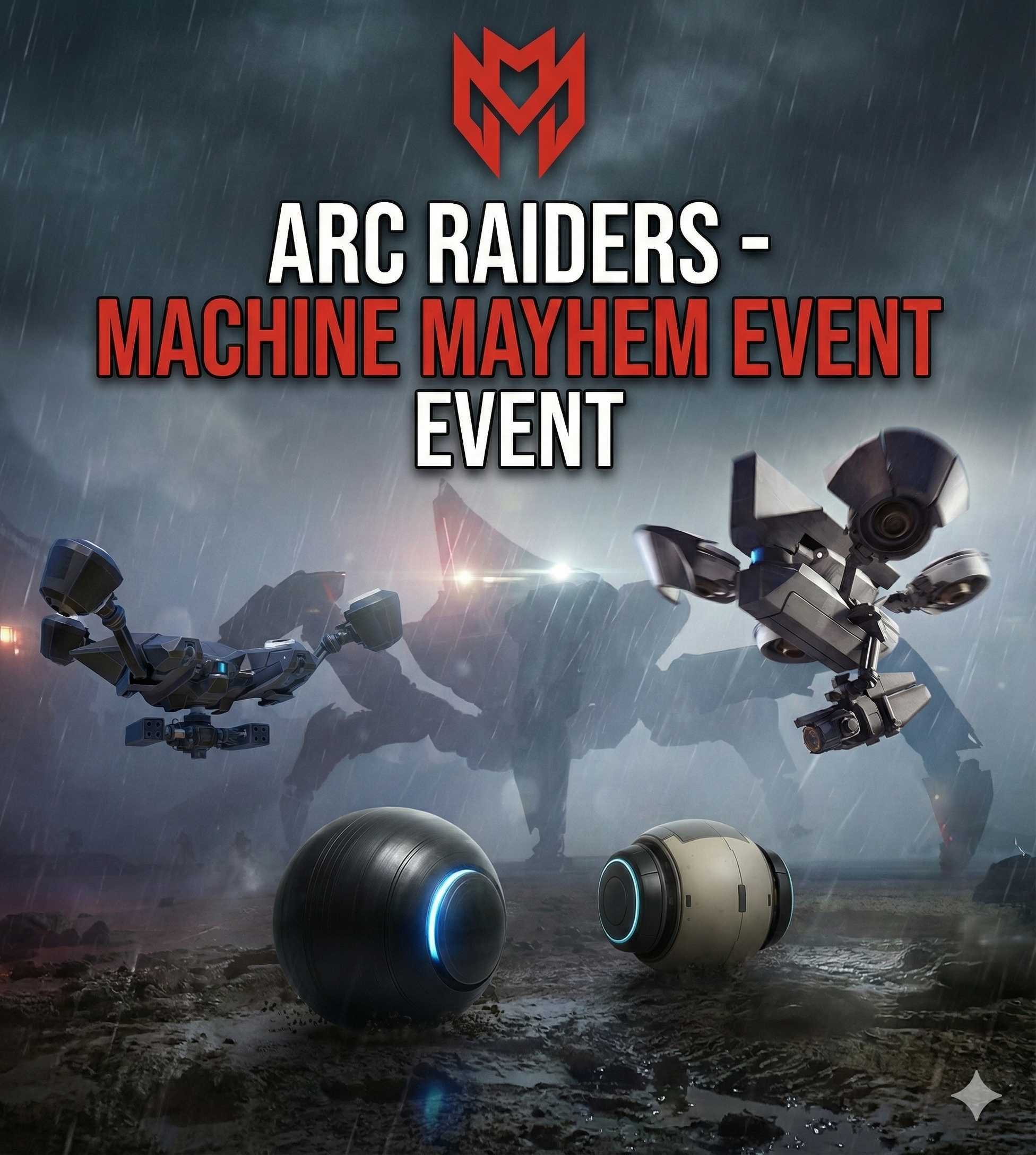
Arc Raiders Machine Mayhem Event
Legends are Forged in the Arc. The machines are relentless, but Monolith stands taller. Join us for Machine Mayhem, an exclusive community event where we unite to reclaim the future. Whether you’re a veteran raider since the early alpha or a new recruit looking for a squad, this is where you find your team. MISSION PROFILE The Goal: Coordinated squad drops to hunt machines and secure high-value extractions. The Vibe: Competitive integrity, inclusive teamwork, and zero toxicity. The Loot: Yours to keep—if we make it out alive. TARGET LIST We are hunting down high-threat units. Targets include (but are not limited to) Leaper, Bastion, Rocketeer, Bombardier,
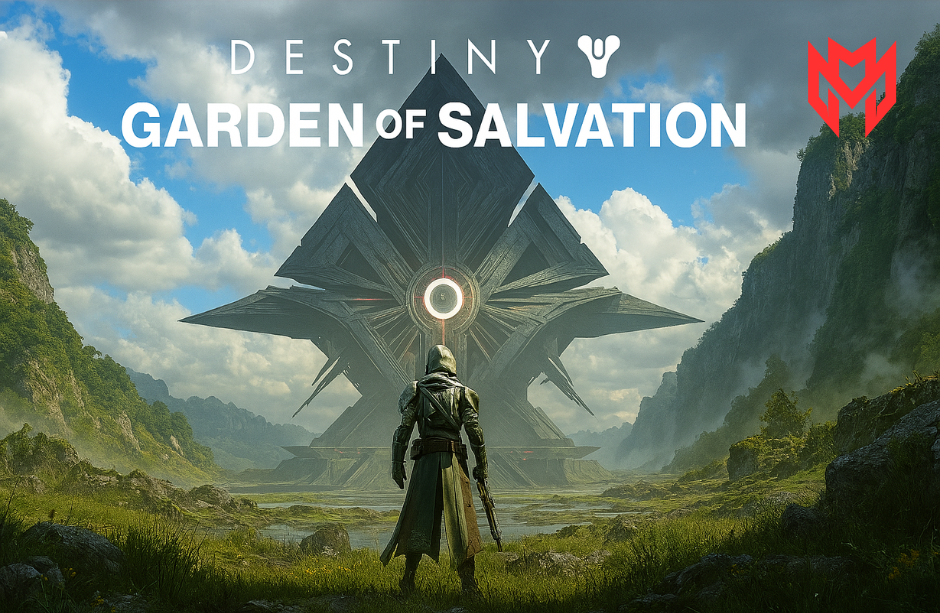
Garden of Salvation/Divinity Run
Going to be teaching those who want to learn the raid. If you have the divinity quest on the last step we can take care of that as well. I suggest looking up a video on how to get the quest progressed if you do not have it yet.
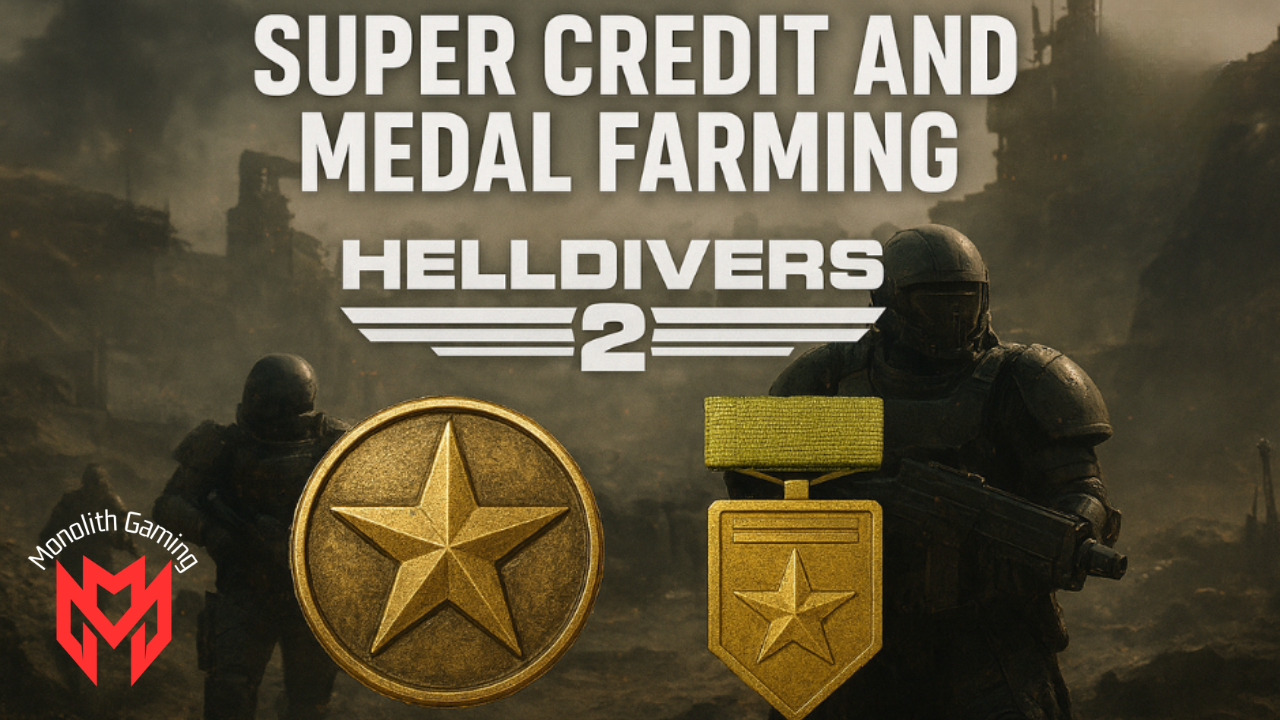
Super Sunday: The Ultimate Helldivers 2 Sample Farming Guide
Join Monolith Gaming for Super Sunday Sample Farming! Learn the fastest ways to get Common, Rare, and Super Samples in Helldivers 2 to upgrade your ship modules.