

From clunky tank controls to full-body VR terror, horror games didn’t just scare us, they reshaped how we play games entirely. Horror is the only genre that can make you hesitate before opening a door. Not because you lack skill, and not because the game is unfair, but because your brain is telling you something is wrong. That instinctive dread is something films can only simulate. Games force you to act. Every step forward is a choice you make yourself, and that responsibility changes everything. Over the last three decades, horror hasn’t just evolved visually or technically. It has quietly influenced how we move, think, and survive in all games. The 90s: Survival Horror and the Birth of Vulnerability Early horror worked within heavy technical limitations, but those limitations became design strengths. Games like Resident Evil, Silent Hill and Alone in the Dark used fixed camera angles, awkward tank-style controls, and scarce ammunition to make players feel fragile. You weren’t meant to dominate enemies. You were meant to avoid them. Players learned to move carefully, conserve resources, memorize environments, and think before acting. That sense of vulnerability was new at a time when most games were power fantasies, and it laid the groundwork for modern survival mechanics found far beyond horror. The 2000s: Fear Becomes Psychological As hardware improved, horror shifted away from combat and toward atmosphere. Titles like Silent Hill 2, Fatal Frame, Amnesia: The Dark Descent, and Condemned: Criminal Origins proved that dread could be more effective than gunfights. Sound design, darkness, and uncertainty did most of the work. Amnesia even removed combat entirely, forcing players to hide or run. The result was a new kind of fear built on anticipation rather than action, a philosophy that later influenced stealth games and narrative adventures just as much as horror itself. The 2010s: When Horror Became Spectacle The rise of YouTube and Twitch changed horror again. Watching someone panic became entertainment, and developers leaned into that energy. Games such as Outlast, P.T, Alien: Isolation and Five Nights at Freddy’s embraced unpredictable AI, tense chase sequences and short bursts of intensity designed to provoke real reactions. Horror wasn’t just something you played anymore. It became something people watched you survive, turning fear into shared spectacle. The Indie Revolution: Smaller Games, Bigger Risks While big studios chased cinematic production values, indie creators experimented freely. Games like Phasmophobia and Iron Lung, along with the retro-inspired releases from Puppet Combo, showed that rough visuals and short runtimes could be even more unsettling. Lo-fi graphics often leave more to the imagination, and procedural or co-op mechanics create unpredictable scares that feel fresh every time. Indie horror quickly became the genre’s most creative space, proving that atmosphere matters more than budget. VR Horror: When Fear Becomes Physical Virtual reality pushed immersion to its absolute limit. In VR, you can’t lean back or look away from the screen because there is no screen. You physically turn your head, reach for doors, and move your body through space. That physicality makes even small moments overwhelming. Experiences like Resident Evil 7: Biohazard and Half-Life: Alyx show how terrifying presence can be. Fear isn’t happening to a character anymore. It feels like it’s happening to you and many players who handle traditional horror easily find VR almost unbearable. How Horror Changed Games Forever Even outside the genre, horror’s influence is everywhere. Environmental storytelling encourages players to read spaces instead of relying on exposition. Resource management systems reward caution. Slower pacing builds tension through silence and anticipation. Protagonists are allowed to feel vulnerable rather than unstoppable. Horror taught designers that weakness, uncertainty and atmosphere can be more engaging than constant action and modern games across every genre quietly borrow those lessons. Final Thoughts Horror has always been gaming’s experimental lab. It removes power, breaks rules and embraces discomfort, yet those risks consistently push the medium forward. Because fear forces us to engage differently. It makes us slow down, listen closely and think before we act. And sometimes, it makes us stare at a door for a full minute before we finally open it. No other genre does that.
Tag: Monolith Gaming
Sanctuary Summit
Want to run some hordes? Kill a few bosses? Still need to tie up loose ends on your season journey? Maybe you just want to hang out for a while? Meet up here and let us know! We’ll help you out!
Wizards of Wednesdays
Helldivers roll a 10-sided die to choose a wizard: The Gas Wizard, The Laser Wizard, The Fire Wizard, The Lightning Wizard, The Meteor Wizard, The Chaos Wizard, Fisticuffs Fiona, The Cleric, The Level One Wizard, Free pick, Full rules and builds found Monolith Gaming
Equilibrium With Feats
We’re running Desert Perpetual with multiple Feats active for extra challenge and better rewards! This will be a step up from a normal run, so knowing the Dungeon mechanics ahead of time is important. We’ll keep things positive, focused, and fun while pushing for clean clears. Active Feats: Phase Limit Token Limit Battalions Optional (if the team’s feeling good): Encounter Challenges Cutthroat Combat
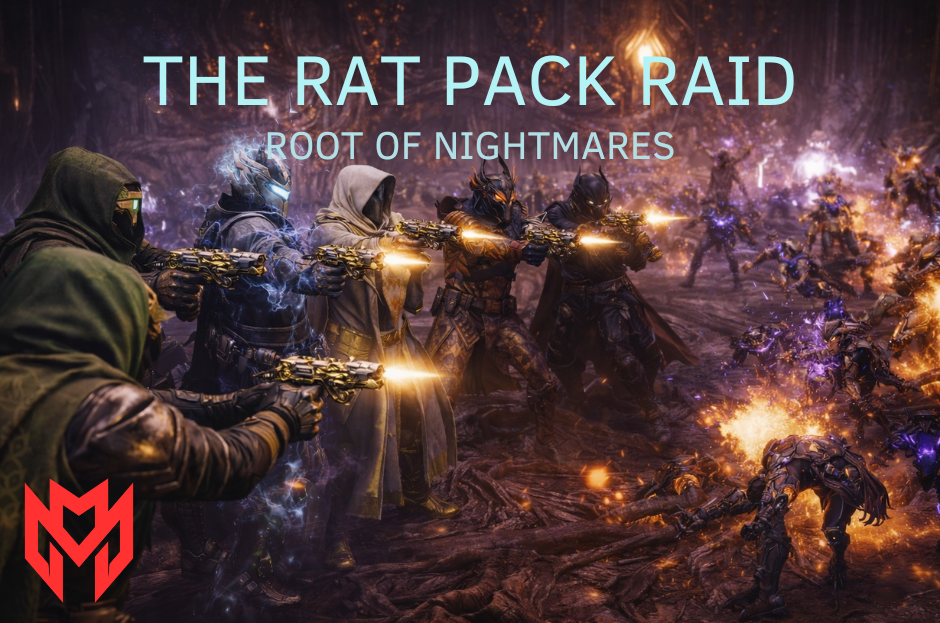
The Rat Pack Raid – Root Of Nightmares
Guardians… put away the meta. It’s time to embrace the squeak. We’re running Root of Nightmares with one sacred rule: EVERYONE uses Rat King. That’s right — six Guardians, six Rats, maximum Rat Pack stacks, constant invis reloads, and pure sidearm chaos. This isn’t about perfect DPS charts. This is about overwhelming the Witness’ forces with a swarm of invisible space rodents. Event Goal Clear Root of Nightmares using Rat King as our primary weapon and lean fully into the Rat Pack synergy. Rules • Rat King must be equipped at all times • Use it for add clear and boss damage • Build into survivability, reload, and team play • Stay grouped to keep Rat Pack stacks high • Have fun — this is controlled madness, not a sweat run Why This Will Actually Work • Add-heavy encounters = Rat King shreds • Reload invis = constant survivability • 6 Rat Kings = permanent Rat Pack buff • Nezarec getting deleted by a rodent firing squad
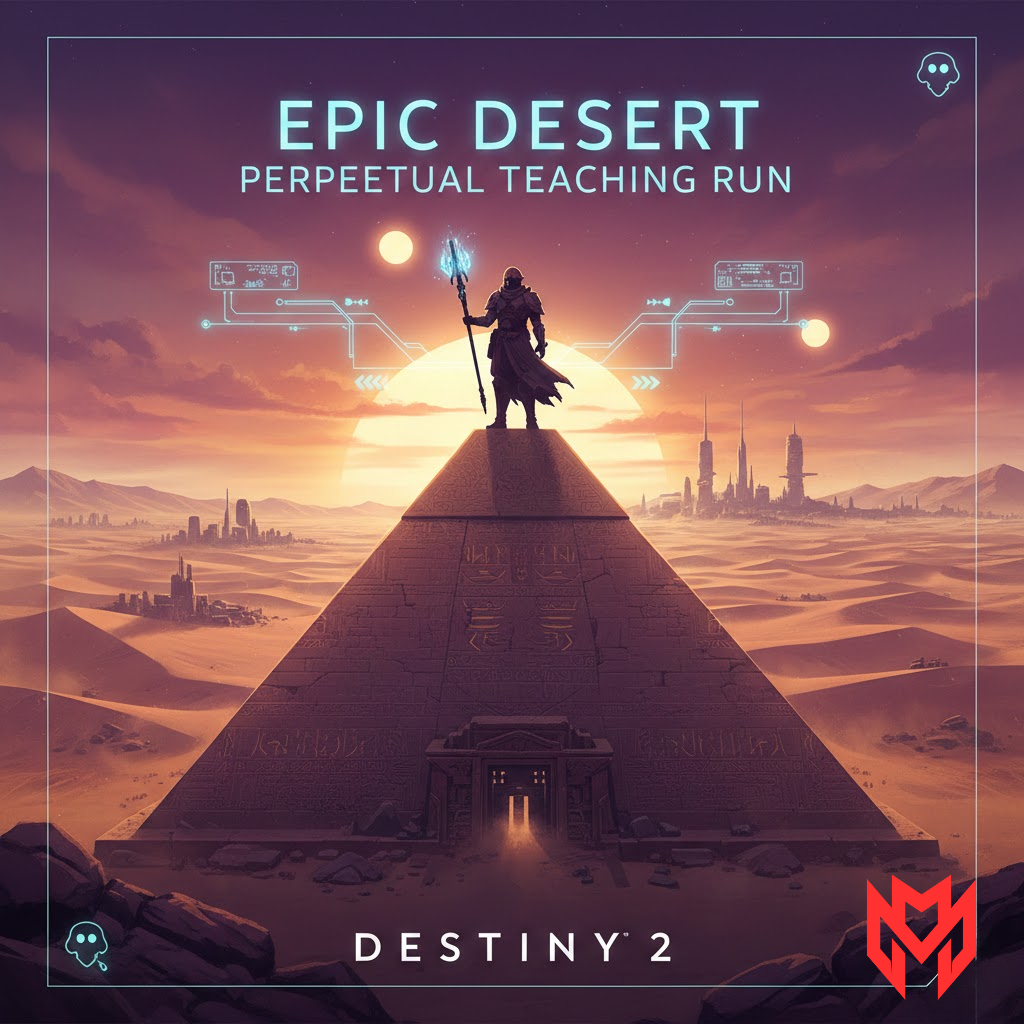
Epic Desert Perpetual Teaching Run
Must have completed Normal dp and understood the mechanics to join. Time may change, its just an estimate

The Infinite Library: Why 2026 is the Year the Line Between Games and Books Vanished
For thirty years, Monolith Gaming has lived at the intersection of community and story. Back in the ’90s, we were deciphering cryptic lore in manual booklets; today, we’re living inside the most complex “novels” ever written. As we move through 2026, the old debate of “Screen Time vs. Reading Time” is finally dying. The truth? Gaming is the new literacy. Here is why the crossover between the page and the pixel has never been more vital for our community. 2026: The Year of the “Playable Novel” We’ve seen a massive surge in games that aren’t just inspired by books, but function like them. From the “LitRPG” boom to titles like Clair Obscur: Expedition 33, developers are no longer just building sandboxes, they’re building libraries. Expedition 33 is a prime example of this “literary gaming” shift. Developed by Sandfall Interactive, it draws heavy inspiration from French literature and the Belle Époque era. Players aren’t just fighting monsters; they are navigating a world steeped in the poetic ennui of Baudelaire and the philosophical depth of Alain Damasio’s La Horde du Contrevent. The Literacy Data: Recent research from the National Literacy Trust confirms this shift: 79% of young gamers regularly read game-related materials, and 73% of “reluctant readers” say that playing a narrative game makes them feel more connected to a story than a traditional book ever did. At Monolith, we don’t just see high scores; we see players mastering complex vocabulary and world-building through every quest line. From Paper to Pixels (and Back Again) The adaptation cycle has reached a fever pitch in 2026. The “Monolith DNA” of deep narrative is everywhere you look: Storytelling as a Force for Good This crossover is more than just entertainment, it’s central to our mission. Through our work with GO Karts (Gaming Outreach) in hospitals, we’ve seen first hand that a deep, narrative-driven game is more than a distraction. It’s a “digital book” that allows a child in a hospital bed to escape their four walls and become the hero of a 50-hour epic. When a kid picks up a controller to play a story-rich RPG, they aren’t just “playing a game”—they are: Practicing Empathy: Stepping into the shoes of characters with vastly different lives. Improving Comprehension: Managing complex branching narratives and item lore. Join the Monolith Book Club We believe the best stories are the ones we experience together. Join our #book-club channel in Discord to discuss your favorite 2026 releases! Join the Discord
2026 and the Rise of the Indie Powerhouse
Monolith Gaming is stepping into 2026 with a clear message: this is the year independent studios redefine the gaming landscape. Across every genre and platform, indie developers are outpacing expectations, out innovating major publishers, and capturing the imagination of players hungry for originality. This isn’t hype. This isn’t wishful thinking. The data, the releases, and the industry momentum all point to one truth, 2026 belongs to the indies. 1. Indie Titles Are Outperforming AAA Releases in Innovation and Storytelling While blockbuster studios continue to lean on sequels and safe formulas, indie teams are pushing boundaries with bold mechanics, experimental narratives, and deeply personal themes. Industry trend reports highlight how the landscape is shifting, with smaller studios gaining recognition and awards once dominated by AAA giants. Games like Clair Obscur: Expedition 33, Hades 2, and Hollow Knight: Silksong set the tone in 2025 and 2026’s slate is even stronger. 2. Modern Tools Are Empowering Small Teams Like Never Before Engines such as Unreal Engine 5, Unity, and Godot have lowered the barrier to entry for high‑fidelity visuals, advanced physics, and cinematic storytelling. Reports on 2026’s development landscape show how these tools are enabling small teams to build ambitious, award winning experiences that rival major studios. Many of the most promising 2026 indie titles are built by teams of fewer than 10 developers, yet they deliver production quality once thought impossible without AAA budgets. 3. Community‑Funded and Community‑Shaped Games Are Rising Players are no longer passive consumers, they’re collaborators. Crowdfunding, open development, and community playtests are shaping the direction of indie titles long before launch. Industry surveys show a growing shift toward community driven development models, with developers embracing transparency and iteration as core strengths. This collaborative approach is helping under‑the‑radar projects gain traction early in 2026, turning niche ideas into breakout hits. 4. Players Are Choosing Originality Over Blockbuster Formulas Gamers are increasingly gravitating toward fresh ideas rather than predictable AAA loops. Analysts covering 2026’s trends note that players are seeking unique art styles, experimental gameplay, and emotional depth areas where indie studios excel. From poetic stop‑motion adventures to challenging roguelikes, the indie scene is delivering experiences that feel handcrafted, meaningful and players are responding. 5. Standout Indie Titles Are Already Defining the Year Gaming outlets have published extensive previews of the most anticipated indie games of 2026 and the lists are stacked. Titles like Decrepit, Out of Words, Slay the Spire 2, Infinitesimals, and Neverway are generating massive buzz. Industry trend reports emphasize that 2026 is a structural turning point for the gaming ecosystem, with indie studios poised to lead innovation across genres. 6. How This Momentum Aligns With Monolith Gaming’s Vision At Monolith Gaming, we believe in the power of creativity, community, and fearless experimentation, the very qualities driving the indie surge. As the industry shifts toward player driven innovation, we’re committed to supporting the developers, ideas, and experiences that define this new era. 2026 isn’t just another year in gaming. It’s a turning point and Monolith Gaming is here for it. 7. Monolith Gaming Is Already Living This Indie Future As we talk about the rise of indie innovation, we’re not speaking from the sidelines. We’re actively part of it. At the time of this article, Monolith Gaming is deep into weekly community playtests for an upcoming indie title called Ascent Rivals. This project is being developed by two brothers who embody everything that makes the indie scene so powerful: creativity, agility, and a genuine connection to their players. What sets their approach apart is the consistency and transparency of their development cycle. Every week, they release new builds, new iterations, and new changes, all shaped directly by feedback from Monolith members and players from further afield. It’s the perfect example of why 2026 belongs to the indies. Small teams with big ideas, supported by communities who care about the craft. And we’re proud to be part of that journey. Join the Ascent Rivals Playtests If you want to experience the future of indie development firsthand, now is the time to jump in. Ascent Rivals is holding regular weekly playtests, and every session helps shape the next iteration of the game. Whether you’re a competitive racer, a mechanics‑focused tester, or someone who simply loves watching a game evolve in real time, your feedback matters. To take part in upcoming playtests, join the Monolith Gaming community on Discord where playtest announcements are shared. Join the playtests here: Monolith Gaming Discord You can also learn more about the project itself at ascentrivals.com. Be part of the development. Be part of the community. Be part of the indie future.
How to Start Streaming with a Gaming Community Behind You
Starting a streaming journey can feel overwhelming. Between choosing a platform, setting up audio and video, learning overlays, and putting yourself live for the first time, many new streamers stall out before they ever build momentum. What separates streamers who last from those who burn out early isn’t raw skill, expensive gear, or luck, it’s community support. When you start streaming with a gaming community behind you, you’re not building from nothing. You’re building from shared trust, familiarity, and encouragement. That foundation dramatically changes how confident you feel on stream, how consistent you remain, and how quickly you grow. This guide explores how to launch and sustain your streaming journey with the backing of a gaming community, and why that support system is one of the most powerful tools a creator can have. Why Community Matters for New Streamers Streaming is not just about gameplay, it’s about connection. Early on, most streams are quiet, viewership fluctuates, and progress feels slow. Streamers who feel socially supported are far more resilient during this phase. A community turns streaming from a solo performance into a shared experience. Having people who show up consistently creates immediate engagement in chat, keeps conversations flowing, and reduces the pressure of “performing” to silence. It also provides emotional reinforcement during slow growth periods, reminding you that your value isn’t defined by viewer counts alone. A strong community provides: Momentum doesn’t come from algorithms first, it comes from people. 1. Choose a Community Before You Choose a Platform Many new streamers obsess over which platform to start on, but the platform matters far less than where you belong. Streaming is easier when you feel aligned with the people watching you. Joining gaming communities centered around specific games, genres, or shared values gives you a built-in audience that already understands your interests. When you contribute genuinely, by helping others, joining conversations, or supporting events, trust develops naturally. Effective ways to build community alignment include: Communities don’t support links, they support people. 2. Start Streaming With Familiar Faces in Chat One of the most intimidating experiences for new streamers is talking to an empty chat. Familiar names immediately change that dynamic. Knowing people are listening allows you to relax, be more natural, and focus on enjoying the moment. Community members don’t need to be loud or constant, even a few regulars lurking or chiming in occasionally makes a massive difference. This early engagement helps set the tone for new viewers who stop by and signals that your stream is worth participating in. Ask your community to support early streams by: Confidence grows faster when you’re not streaming into the void. 3. Use Community Feedback to Improve Faster Communities create fast feedback loops. Instead of guessing what works, you receive real-time input from people who want to see you succeed. This accelerates improvement and prevents common mistakes from becoming long-term habits. Your community can help you fine-tune: This collaborative approach removes pressure to be perfect and replaces it with steady, supported growth. 4. Promote Authentically, Not Aggressively Community-driven promotion works best when it feels natural. Viewers are far more likely to support and share streams when they feel personally connected to the creator. Instead of spamming links, focus on: When promotion is relational, support becomes mutual. 5. Protect Mental Health Through Shared Growth Streaming alone can amplify burnout, self-doubt, and unhealthy comparison. A community helps balance those pressures by sharing both successes and setbacks. Community-backed streamers benefit from: Streaming becomes sustainable when it’s supported, not isolating. Final Thoughts: Stream Together, Grow Together Starting a stream isn’t just a technical decision, it’s a social one. Creators who grow within gaming communities develop stronger confidence, healthier mindsets, and more authentic content. If you want to start streaming, don’t start alone. Build relationships first. Create together. Grow together. The strongest streams aren’t built on numbers, they’re built on community. Follow Twitch for streams, community events, and live gameplay.

Maximizing Your Game Time: Tips for Balancing Life and Gaming
Video games are a core part of modern culture, offering entertainment, social connection, stress relief, and even cognitive benefits. But as gaming becomes more immersive and time-intensive, many players struggle to balance their passion with work, school, relationships, and health. Research shows that gaming itself isn’t the problem, how gaming fits into your life is what truly matters. When approached intentionally, gaming can coexist with a healthy, fulfilling lifestyle. This article explores practical ways to maximize your game time while maintaining balance, supported by academic research and expert insights. What Research Says About Gaming and Well-Being Contrary to outdated stereotypes, gaming is not inherently harmful. A large-scale study analyzing real-world gaming data found that video game play can be associated with improved mental well-being, particularly when players feel autonomy and enjoyment rather than pressure or compulsion. Link: ScienceDaily – Video Games and Mental Well-Being Similarly, research published in the American Journal of Preventive Medicine highlights that gaming can support emotional regulation, stress reduction, and social connection when used in moderation. Link: National Institutes of Health – Video Games and Emotional Health Importantly, a landmark study from the Oxford Internet Institute concluded that the quality of gaming experiences matters more than total hours played when it comes to well-being. Link: Oxford Internet Institute – Quality vs Quantity of Gaming 1. Focus on Quality, Not Just Playtime Long gaming sessions aren’t automatically unhealthy. Problems tend to arise when gaming crowds out sleep, responsibilities, or relationships. Research from Oxford emphasizes that players who feel in control of their gaming habits report better emotional outcomes than those who feel compelled to play. Link: Oxford Internet Institute – Gaming Motivation and Well-Being Practical ways to improve quality of play: 2. Create Structure and Boundaries Time management research consistently shows that structured schedules reduce stress and improve satisfaction. Applying this to gaming helps prevent overextension. Studies on time-blocking and focus techniques suggest that separating leisure and responsibility improves performance in both areas. Link: American Psychological Association – Time Management and Stress Helpful boundary-setting strategies include: 3. Protect Physical and Mental Health While gaming can support mental health, prolonged sedentary behavior and poor sleep habits can counteract those benefits. Health researchers recommend regular breaks, movement, and consistent sleep to reduce fatigue and maintain long-term cognitive performance. Link: CDC – Physical Activity and Sedentary Behavior Simple habits that make a difference: 4. Use Gaming as Social Connection, Not Isolation One of gaming’s strongest benefits is social interaction. Studies show that online games can foster meaningful friendships and reduce feelings of loneliness, particularly when gaming is cooperative rather than isolating. Link: Frontiers in Psychology – Social Benefits of Gaming To enhance social value: 5. Recognize When Balance Needs Adjustment Even positive hobbies can become problematic if they’re used exclusively to escape stress or emotions. Mental health professionals suggest reassessing habits when gaming begins to interfere with daily functioning or emotional well-being. Link: World Health Organization – Gaming Disorder Overview Warning signs may include: Adjustment doesn’t mean quitting, it means recalibrating. Final Thoughts: Gaming Thrives With Balance Gaming is not the enemy of productivity, health, or happiness. Research consistently shows that when gaming is balanced with life’s responsibilities, it can enhance well-being rather than diminish it. Link: ScienceDaily – Gaming and Life Satisfaction The key is intentional integration. Gaming should support your life, not compete with it. Maximizing your game time isn’t about playing more hours. It’s about making every hour count.