Video games have long been misunderstood. For years, they were dismissed as distractions, time-wasters, or even harmful habits. Today, gaming is one of the most dominant forms of entertainment in the world, and the conversation around its impact on mental health has finally matured.
Like most powerful mediums, gaming is neither purely good nor purely bad. Its influence depends on how, why, and how much we play. For many, games provide comfort, connection, and creativity. For others, they can amplify stress, isolation, or unhealthy patterns.
The truth lives somewhere in between.
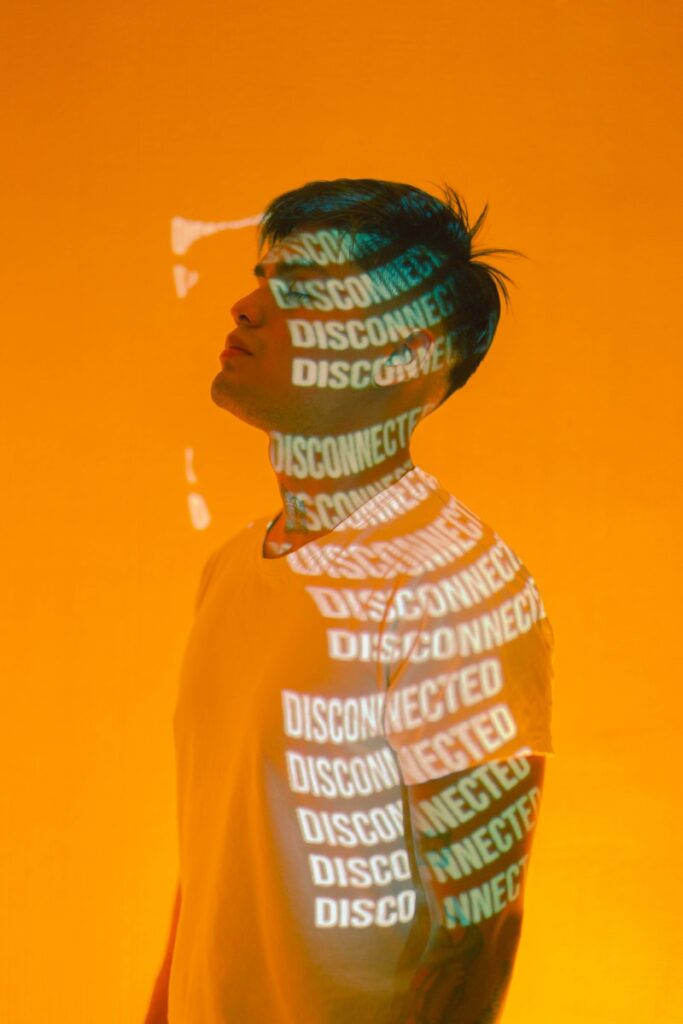
Gaming as an Escape And Why That Matters
One of the most common reasons people turn to games is escape. After a long day, stepping into another world can feel like relief, a place where goals are clear, effort is rewarded, and chaos can be managed.
This kind of escapism isn’t inherently negative. In fact, it can be healthy.
Games allow players to:
- Temporarily disconnect from real-world stress
- Regain a sense of control during uncertain times
- Experience accomplishment and progress
For individuals dealing with anxiety, grief, or burnout, gaming can offer a mental reset, a safe space to breathe before returning to reality.
The key distinction is whether gaming is used as rest or avoidance. When games help recharge, they support mental health. When they replace addressing real-life needs entirely, problems can quietly grow.
Community, Belonging, and Social Connection
Despite outdated stereotypes, gaming is deeply social.
Multiplayer games, online communities, and voice chat platforms have created spaces where friendships form organically. For many players, especially those who struggle with traditional social settings, gaming provides a low-pressure way to connect.
Positive mental health benefits include:
- Reduced feelings of loneliness
- Shared goals and teamwork
- A sense of belonging and identity
During periods of isolation or personal hardship, gaming communities have proven to be lifelines. For some, logging in isn’t about the game, it’s about knowing someone will be there.
However, like any social environment, online spaces can also expose players to toxicity. Healthy communities uplift; unhealthy ones can contribute to stress or negative self-image.
Achievement, Progress, and Self-Worth
Games are built around progression. Levels, ranks, achievements, and loot all tap into the brain’s reward system, and when balanced, that can be incredibly motivating.
For players who may feel stalled or undervalued in real life, games can restore confidence by offering:
- Clear objectives
- Immediate feedback
- A sense of mastery
Completing a difficult challenge or mastering a complex system can genuinely boost self-esteem. These feelings are real, and transferable.
Problems arise when self-worth becomes tied exclusively to in-game success. When progress outside the game stalls while virtual progress accelerates, imbalance can creep in.
Stress Relief vs. Stress Amplification
Gaming can be relaxing, but not all games relax all players.
While cozy games and narrative adventures often reduce stress, competitive titles can sometimes do the opposite. High-pressure ranked modes, constant comparison, and fear of failure can elevate anxiety instead of easing it.
This doesn’t mean competitive games are bad. It means self-awareness matters.
Players benefit most when they:
- Recognize when a game stops being fun
- Take breaks after intense sessions
- Choose games that match their emotional state
A game meant to unwind shouldn’t leave you angrier than when you started.
Addiction, Burnout, and Overuse
One of the most serious concerns surrounding gaming and mental health is overuse.
Games are designed to be engaging, sometimes intentionally so. Daily rewards, battle passes, and fear-of-missing-out mechanics can blur the line between enjoyment and obligation.
Warning signs of unhealthy gaming habits may include:
- Neglecting sleep, hygiene, or responsibilities
- Feeling irritable when unable to play
- Using games exclusively to cope with emotions
This isn’t about blaming players. It’s about recognizing patterns early and adjusting before burnout or emotional dependency takes hold.
Moderation isn’t about playing less, it’s about playing intentionally.
Gaming and Emotional Expression
Games tell stories, and those stories can resonate deeply.
Narrative-driven titles explore grief, identity, trauma, love, and loss in ways that sometimes feel more personal than films or books. Because players actively participate, emotional engagement is often stronger.
For some, games help process feelings they struggle to articulate elsewhere. A character’s journey can mirror a player’s own, offering validation, reflection, or even healing.
This emotional connection is one of gaming’s most underappreciated strengths.
If You’re Struggling, Help Is Available
Your mental health matters, and you are not alone. If you or someone you know is experiencing overwhelming stress, thoughts of self-harm, or suicidal ideation, please reach out for professional support.
In the United States, you can call or text the 988 Suicide & Crisis Lifeline or dial 988 at any time. Trained counselors are available 24/7. If you are outside the U.S., the International Association for Suicide Prevention provides a directory of crisis support services around the world.
Seeking help is not a failure — it is a strong and important step toward feeling better.
What Research Says About Gaming and Mental Health
Research into gaming and mental health continues to evolve. A 2024 peer-reviewed study published in BMC Public Health examined adolescents and found that stress, emotional regulation challenges, and problematic gaming behaviors were associated with higher risk indicators for suicidal ideation and planning.
Importantly, the study does not conclude that video games cause suicide. Instead, it highlights how excessive or maladaptive gaming can intersect with existing stressors, emphasizing the importance of balance, emotional support, and healthy coping strategies.
You can read the study here: Problematic gaming, stress, and suicide risk among adolescents (BMC Public Health, 2024)
Final Thoughts
Gaming is no longer a fringe hobby. It’s a cultural force, one that shapes how people relax, connect, and express themselves.
When approached mindfully, gaming can support mental well-being in meaningful ways. It offers joy, challenge, companionship, and escape when we need it most.
Like any powerful tool, its impact depends on how it’s used.
Games don’t harm mental health by default.
They reflect it, amplify it, and sometimes, help heal it.