
Diablo at BlizzCon 2026: Thirty Years of Hell and a Milestone Close to Home
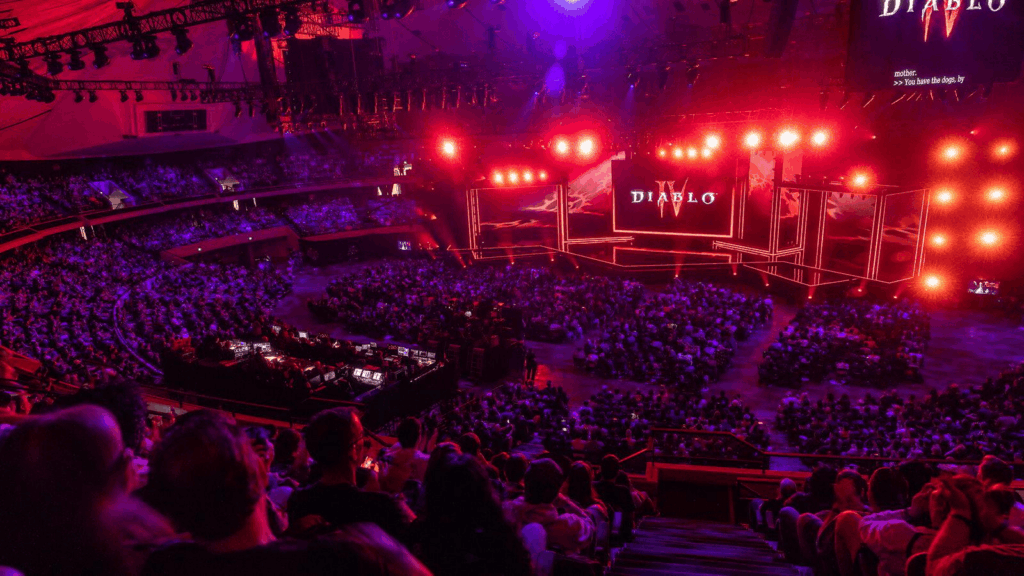
Diablo at BlizzCon 2026 gave fans plenty to talk about as Blizzard celebrated 30 years of Diablo while revealing what’s ahead for Diablo IV and the future of the franchise. Diablo at BlizzCon 2026 was an event that many fans had anticipated, filled with exciting announcements and nostalgia. Thirty years. That’s how long players have been descending into dungeons, chasing better loot, experimenting with builds and willingly returning to Sanctuary despite the fact that absolutely nothing good ever seems to happen there. From the start, Diablo at BlizzCon 2026 showcased the passion of the community and its love for the franchise. At BlizzCon 2026, Blizzard celebrated three decades of Diablo by doing something much bigger than looking back. It showed us what’s next. For Monolith Gaming, though, this anniversary hits a little differently. Our community at Monolith celebrates the legacy of Diablo at BlizzCon 2026 and looks forward to the future. Our history with Diablo isn’t something we picked up along the way. It’s where our story began. Monolith Gaming traces its roots back to 1996 and the original Diablo, making this year’s 30th anniversary a milestone we happen to share with the franchise itself. Three decades later, Diablo remains a standalone game within our community. So when Blizzard celebrated 30 years of Diablo at BlizzCon this year, we weren’t just watching another gaming franchise mark an anniversary. We were watching a piece of our own history celebrate one, too. At Diablo at BlizzCon 2026, we experienced the thrill of new content and returning favorites. And with everything revealed during Diablo BlizzCon 2026, from new Diablo IV content to returning classes and the future of Sanctuary, there was plenty to celebrate. As part of the celebrations, Diablo at BlizzCon 2026 highlighted the evolution of the franchise. The excitement around Diablo at BlizzCon 2026 was palpable, bringing fans together from all over. Diablo IV Looks Back to Move Forward The centerpiece of Diablo IV’s anniversary celebration is Season 15: Season of Hell’s Legacy, which launched September 15. And this season is essentially a love letter to Diablo’s past. Deckard Cain returns as a lost soul who guides players through a journey involving dark wanderers tormented by the Prime Evils. That means we’re dealing with some very familiar names: Diablo. Baal. Mephisto. Every aspect of Diablo at BlizzCon 2026 was crafted to resonate with long-time players and newcomers alike. As we celebrate, Diablo at BlizzCon 2026 reminds us of the game’s rich history and community. It’s clear that Diablo at BlizzCon 2026 is a turning point for the franchise, setting up exciting future content. Players confront echoes of all three while revisiting locations pulled directly from Diablo history, including Tristram Cathedral, the Durance of Hate and Arreat Summit. Defeating the Prime Evils rewards players with their Splinters of Evil, allowing us to wield a portion of their power ourselves. In many ways, Diablo at BlizzCon 2026 is a culmination of the franchise’s rich legacy. Because apparently after thirty years of learning that accepting demonic power is almost universally a terrible idea, we’re doing it anyway. Very Diablo. Each Prime Evil’s Splinter changes different activities and grants its own powers, while additional Soul Splinters based on familiar demons and artifacts—including Andariel, Duriel, Lilith, Belial and the Black Soulstone—can be incorporated into builds. The season reaches across Diablo history instead of simply throwing anniversary cosmetics at players and calling it a celebration. And for Monolith, there’s something particularly fitting about returning to places like Tristram during this anniversary. That’s where we were thirty years ago, too. Diablo BlizzCon 2026 Means Something Different for Monolith Gaming Gaming looked very different in 1996. Reflecting on the past, Diablo at BlizzCon 2026 showcases the journey of the franchise throughout the years. There was no Discord server to join. There weren’t seasonal battle passes, cross-platform parties or massive online communities operating the way they do today. But there were gamers looking for other gamers. The original Diablo became part of the foundation from which Monolith Gaming grew. Fans eagerly await the Amazon’s return, a highlight of Diablo at BlizzCon 2026. Thirty years later, the technology has changed. The games have changed. Monolith has changed. The reveal of new content at Diablo at BlizzCon 2026 has re-energized the community. But that connection never completely disappeared. Today, Diablo IV has its own dedicated home within Monolith Gaming, where members can find other players, prepare for new seasons, participate in events and—naturally—spend an unreasonable amount of time discussing builds and loot. There is something pretty incredible about being able to draw a line from players gathering around the original Diablo in 1996 to members of our community grouping up for Season 15 in 2026. Not many gaming communities get to share a 30-year anniversary with the franchise that helped start their story. We do. The Amazon Is Coming Back to Diablo IV Blizzard also revealed the next class coming to Diablo IV. The Amazon returns in the first half of 2027. One of Diablo’s most recognizable classes, the Amazon is being reimagined for Diablo IV while maintaining the identity longtime players remember: fast, disciplined and extremely dangerous with a bow or javelin. The class will feature four gameplay archetypes: The javelin will also become an entirely new weapon type within Diablo IV. With Lord of Hatred expanding Sanctuary into Skovos—the homeland of the Amazons—the timing makes sense narratively. It also continues a theme that ran throughout Diablo’s BlizzCon presence this year: The franchise is moving forward without forgetting where it came from. Anticipation builds as we look ahead to Diablo at BlizzCon 2026 and what lies beyond. That’s something we can appreciate. Diablo V Is Official and Diablo Won Then came the big one. With each announcement, Diablo at BlizzCon 2026 strengthens the bond within the community. This year, Diablo at BlizzCon 2026 serves as a celebration of our shared experiences. Diablo V is officially in development and is coming Spring 2029. And Blizzard isn’t simply giving us another version
Future of Xbox: What Asha Sharma Revealed to BBC
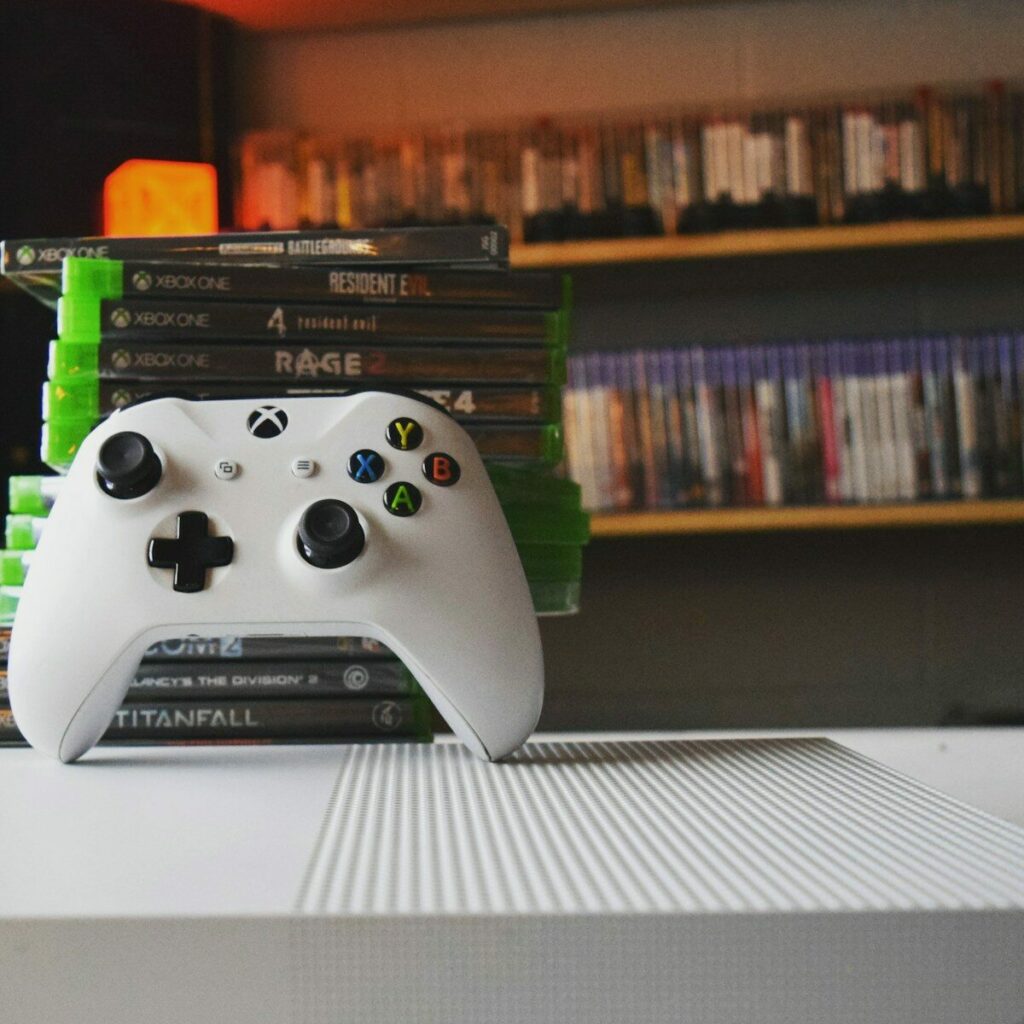
The future of Xbox is beginning to take shape, and Microsoft’s new gaming chief isn’t pretending the road ahead will be easy. During an interview with BBC News at Gamescom 2026, Xbox CEO Asha Sharma spoke candidly about the current health of the brand, the challenges facing the gaming industry, and Microsoft’s plans for the next generation of Xbox. Perhaps the most striking moment came when Sharma addressed Xbox’s current position directly: “Within Xbox, we haven’t been healthy.“ That’s a remarkably straightforward admission from the person now responsible for steering one of gaming’s biggest brands. But Sharma didn’t spend the entire interview looking backward. Her comments gave players several important clues about Xbox’s future, from new hardware and affordability to physical games, preservation, and Microsoft’s growing ecosystem of devices. The Future of Xbox Goes Beyond One Console First things first: Microsoft isn’t abandoning Xbox hardware. Sharma discussed the company’s next generation of Xbox hardware, currently known as Project Helix, while emphasizing three priorities: performance, efficiency, and affordability. That last point may become increasingly important. The cost of gaming hardware has become a growing concern as manufacturers deal with higher component costs, including memory and storage. Sharma suggested that Xbox needs to think differently about affordability as it develops its next generation. For players, that could mean Microsoft’s strategy isn’t simply about creating the most powerful console possible. Xbox also has to figure out how to deliver meaningful performance at a price consumers are willing—and able—to pay. Project Helix may also represent something larger than a single console. Sharma has described Microsoft’s next generation as a “family of devices.“ That fits with Xbox’s broader push to make games accessible across consoles, PCs, handhelds, cloud-enabled devices, and other hardware. The future of Xbox may increasingly be an ecosystem rather than one box sitting underneath your television. What Happens to the Xbox Games You Already Own? Another important part of Sharma’s interview focused on game preservation. And longtime gamers know exactly why this matters. We have a lot of games. Some players have been building their Xbox libraries for multiple console generations. Others have shelves full of physical games they still expect to own and access years from now. Xbox’s Disc-to-Digital initiative is intended to help bridge the gap between physical collections and an increasingly digital gaming ecosystem. Sharma told the BBC: “Whether you play physical games, digital games, it’s really important that your libraries can go wherever you are.” The idea is that eligible physical Xbox games could receive digital entitlements, potentially allowing players to carry portions of their existing libraries into future Xbox hardware without always depending on the original disc. For players who have spent hundreds, or even thousands, of dollars building gaming libraries over the years, that commitment could be significant. But What About Physical Games? There’s still one big question Xbox hasn’t answered. When the BBC asked whether Project Helix itself would include a disc drive, Sharma did not confirm one. That leaves physical collectors in an interesting position. Microsoft is talking extensively about preservation, accessibility, and allowing libraries to follow players across devices. At the same time, we still don’t know exactly what role traditional physical media will play in the future of Xbox. For gamers who strongly prefer discs, that’s going to be an important detail to watch as Microsoft reveals more about its next-generation hardware. Xbox Knows It Has Work to Do The hardware discussion wasn’t the only important part of Sharma’s interview. Xbox has been moving through a difficult period involving restructuring, changes across Microsoft’s gaming business, and questions about the long-term direction of the brand. Sharma’s comment that Xbox hasn’t been “healthy” is important because it acknowledges something many players have already been discussing. Microsoft isn’t simply preparing another console generation. It’s trying to redefine what Xbox itself is supposed to be. Sharma told the BBC that the current reset is intended to put Xbox in a position to continue operating for another 25 years. Whether that vision succeeds will ultimately depend on more than hardware specifications or corporate promises. Players will want games, value, stability, backward compatibility, and confidence that the ecosystem they’re investing in will still matter years from now. What Does the Future of Xbox Look Like? We don’t have the complete answer yet. But Sharma’s BBC interview gives us a clearer picture. Perhaps most importantly, Xbox leadership appears willing to acknowledge that the company’s previous approach hasn’t worked as well as intended. That’s only the beginning. The real test will be whether Microsoft’s next moves can rebuild excitement and confidence among players. The future of Xbox is clearly going to look different from the Xbox many of us grew up with. Now comes the harder part: Convincing players that the Xbox they’re building is one they still want to be part of. What Do You Think About the Future of Xbox? Xbox’s next generation could look very different from the traditional console generations we’ve grown accustomed to. Are you interested in Microsoft’s “family of devices” approach, or would you rather see Xbox focus on building one traditional next-generation console? And for the physical collectors: How important is a disc drive when deciding whether you’ll buy the next Xbox? Watch the BBC Xbox Interview The comments discussed in this article come from BBC News’ interview with Xbox CEO Asha Sharma at Gamescom 2026. Watch the full Xbox CEO interview from BBC News on YouTube
The Rise of Esports: Where Competition Meets Community
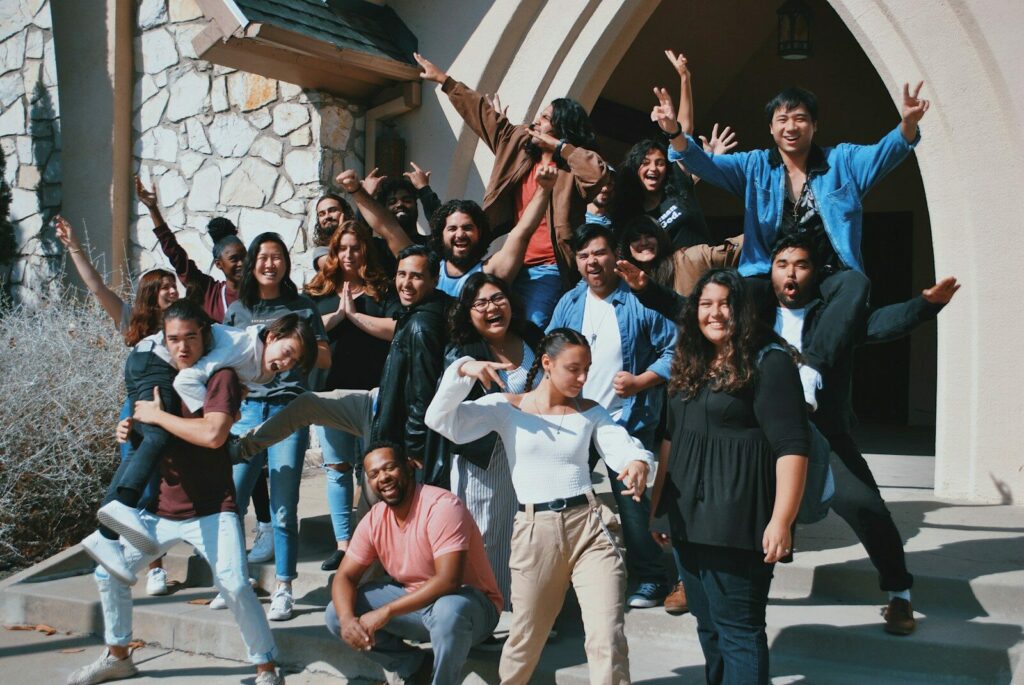
In the past decade, esports has evolved from niche tournaments into a global phenomenon known as the rise of esports. What was once a hobby shared among small groups of passionate gamers has transformed into a structured, competitive industry that rivals traditional sports in both viewership, organization, and engagement. The rise of esports has created opportunities for new game developers to emerge. Furthermore, the rise of esports has also influenced mainstream media, with more coverage dedicated to competitive gaming events. This cultural shift is evident in how mainstream events are now integrating the rise of esports into their programming. From sold-out arenas to millions of viewers tuning in online, esports has proven that competitive gaming is not just a trend, it’s a lasting shift in how people connect, compete, and build communities in a digital world, highlighting the rise of esports. With the rise of esports comes a diverse range of gaming genres that cater to various audiences. As a result, the rise of esports has led to increased investment from brands looking to connect with younger audiences. The rise of esports has also paved the way for innovative technology solutions that enhance the viewer experience. This evolution has been critical in shaping perceptions surrounding the rise of esports. The rise of esports has also brought about discussions regarding mental health and the importance of support systems in gaming. But esports is more than just competition, it’s a culture. A New Era of Competitive Gaming Esports represents the highest level of competitive play across a variety of games, from tactical shooters and MOBAs to large-scale multiplayer experiences. Professional players dedicate countless hours to mastering mechanics, studying strategy, and developing synergy with their teammates. Behind the scenes, organizations invest in coaching staff, performance analytics, and structured training systems to push players to their peak potential. The rise of esports has brought with it not only a new form of entertainment but also a means for individuals to express their passion and creativity. This level of dedication has turned esports into a legitimate career path. Players, coaches, analysts, broadcasters, and content creators all contribute to a rapidly expanding ecosystem. For many, what started as a passion for gaming has evolved into a profession filled with opportunity and growth. As the industry matures, so does the expectation of professionalism, discipline, and leadership—qualities that mirror those found in traditional sports. Research Insight: A study published in Frontiers in Psychology highlights how professional esports athletes demonstrate high levels of cognitive performance, including attention control, decision-making speed, and teamwork coordination, reinforcing the legitimacy of esports as a competitive discipline. Link: https://www.frontiersin.org/articles/10.3389/fpsyg.2019.01910/full More Than Just Winning While competition is at the core of esports, the true power lies in its community. Communities are the foundation that sustain games long after their release. They create spaces where players can connect, collaborate, and grow together. Whether it’s through Discord servers, in-game clans, or organized events, these communities give players a sense of belonging that extends beyond the screen. Within these spaces, players can: A strong community transforms a game from something you play into a place you belong. It creates consistency, engagement, and a reason for players to keep coming back—not just for the game, but for the people. Research Insight: According to research from Computers in Human Behavior, online gaming communities play a significant role in social connection, reducing loneliness, and increasing a player’s sense of belonging and identity within a group. Link: https://www.sciencedirect.com/science/article/pii/S0747563219302602 The Role of Organizations Moreover, the rise of esports has encouraged collaboration between educational institutions and gaming organizations. Organizations like Monolith E-Sports are redefining what it means to be part of the esports world. By combining competitive ambition with community-driven values, they create environments where both casual and competitive players can thrive. This balance is critical. Not every player aims to go pro—but every player deserves a structured, welcoming space to grow. The most successful organizations understand that long-term success isn’t built on wins alone, but on retention, culture, and strong leadership. These organizations provide structure through events, leadership teams, and clear pathways for members to get involved, whether that’s through competition, content creation, or community leadership roles. They also serve as a bridge between players and opportunity, helping individuals find their place within a larger ecosystem. If you’re looking to be part of a community that values both competition and connection, you can join the Monolith E-Sports Discord here: Monolith E-Sports Discord Why Esports Continues to Grow Several key factors are driving the continued expansion of esports and its surrounding communities: As technology continues to evolve, esports will only become more immersive and interconnected. Advancements in virtual reality, cross-platform play, and online infrastructure are shaping the next phase of competitive gaming. Research Insight: A report by Newzoo outlines the continued global growth of esports, projecting increasing audience numbers and revenue streams driven by sponsorships, media rights, and community engagement. Link: https://www.newzoo.com/en/insights/trend-reports/global-esports-live-streaming-market-report Looking Ahead The future of esports is incredibly promising. With new titles launching, communities expanding, and organizations continuing to innovate, the industry shows no signs of slowing down. However, the real question isn’t just how big esports will become. It’s how we choose to shape it. Will we focus purely on competition, or will we continue to build communities that foster growth, connection, and purpose? The answer to that question will define the next generation of esports and the experiences players have within it. Organizations, leaders, and community members all play a role in shaping that future. The decisions made today, how we engage, support, and grow our communities will determine what esports looks like tomorrow. Final Thoughts As such, the rise of esports is not just about competition; it’s about personal growth and community transformation. Esports is no longer just about playing games, it’s about creating experiences, building relationships, and fostering environments where people can thrive. In addition, the rise of esports has changed how we perceive success in the gaming industry. Whether you’re competing at a high level, organizing
Gaming as a Tool for Stress Relief

For a lot of people, gaming is more than just entertainment. It’s the part of the day where the noise quiets down. The emails stop. The deadlines fade into the background. The pressure eases just enough to breathe again. In a world that constantly asks for more, more productivity, more availability, more output, logging into a game can feel like stepping into a space where you’re allowed to simply exist. Not to impress. Not to perform. Just to play. And when used intentionally, that simple act of play can become a powerful tool for stress relief. Stress Is Real and So Is Recovery Let’s be honest: most of us carry more stress than we admit. Work pressure, school deadlines, family responsibilities, financial worries, it stacks up quietly. Even when nothing feels “catastrophic,” your nervous system can stay in low-level fight-or-flight mode for days or weeks at a time. That’s why recovery matters. The American Psychological Association regularly reports that intentional leisure activities help lower stress and interrupt cycles of overthinking. Structured downtime, the kind where your brain focuses on something engaging, helps you reset. For a lot of gamers, that reset button is logging in.Link: American Psychological Association – Stress in America 2025 Why Gaming Actually Helps Gaming isn’t passive. You’re solving problems, reacting, building, coordinating, making decisions. That active engagement gives your brain something to focus on other than whatever’s stressing you out. Research published in Computers in Human Behavior has shown that even short gaming sessions can improve mood and reduce stress. Link: Casual video games reduce stress and improve mood. There’s also something powerful about control. In real life, you can’t always control outcomes. In a game, you can try again. You can adjust strategy. You can respawn. That sense of agency, even in a digital space, can help counter feelings of helplessness. The Community Boost Stress relief hits differently when you’re not alone. Playing with other people adds something that solo gaming can’t always replicate shared energy. Whether it’s coordinating a strategy, laughing after a chaotic wipe, or just hearing familiar voices at the end of a long day, those moments create a sense of connection that helps regulate stress. Research has shown that social interaction is one of the strongest buffers against stress. When gaming includes cooperation and positive communication, it can strengthen that protective effect. A healthy community doesn’t just give you something to play, it gives you somewhere to land. And sometimes, that’s the part that matters most. Balance Is Everything Here’s the part that really matters: gaming works when it’s helping you, not when it’s running you. Stress relief should actually feel like relief. It shouldn’t replace sleep, responsibilities, or real-world needs. It should feel like a reset, not an escape hatch you can’t close. A simple check-in goes a long way. When you log off, how do you feel? Lighter? Clearer? More grounded? Or more tense and drained? If gaming leaves you feeling restored, it’s doing what it’s supposed to do. If it regularly leaves you more frustrated or disconnected, that’s just information, not failure. Balance isn’t about cutting gaming out. It’s about making sure it’s serving you. Before You Log Off You don’t need to justify gaming as “productive.” Rest is productive. Recovery is productive. Giving your brain a structured break helps you show up better everywhere else. When used intentionally and in healthy community spaces, gaming can be more than entertainment. It can be a practical, accessible tool for stress relief, and there’s nothing weak about using what works.