For a genre built around things refusing to stay dead, horror video games have certainly had their share of resurrections.
Survival horror has gone through cycles for decades. There were the claustrophobic hallways, limited ammunition and fixed camera angles of the late 1990s. Then came an era increasingly dominated by action, followed by indie horror, asymmetrical multiplayer and the explosion of streaming-friendly scares.
But something has shifted again.
Horror games are getting scary.
More importantly, developers seem increasingly willing to let horror be horror again; uncomfortable, atmospheric, strange, violent and occasionally downright cruel.
And in 2026, two of cinema’s most recognizable monsters are helping make that point particularly clear.
Michael Myers has returned to Haddonfield in Halloween: The Game, while Pinhead and the Cenobites are preparing to open the Labyrinth in Clive Barker’s Hellraiser: Revival.
They aren’t alone.
Resident Evil is thriving. Silent Hill is relevant again. Classic horror properties are finding new life in interactive entertainment, while developers are rediscovering something horror games understood decades ago:
Being powerful can be fun. Being afraid is something entirely different.
Horror Video Games Never Died; They Changed
There was never really a period when horror games disappeared.
What changed was the type of horror that dominated.
Over the last decade, players watched asymmetrical multiplayer games turn the killer-versus-survivor formula into its own genre. Indie developers experimented with analogue horror, liminal spaces, psychological horror and deliberately retro aesthetics. Streaming and YouTube helped turn games designed around reactions, jump scares and unpredictable encounters into cultural phenomena.
Meanwhile, some of survival horror’s biggest names began finding their identities again.
The commercial results are difficult to ignore.
Capcom announced in March that Resident Evil Requiem surpassed six million copies worldwide, becoming the fastest title in the series to reach that milestone. The Resident Evil franchise itself has surpassed 183 million cumulative sales.
Konami reported in May that Silent Hill f surpassed two million units shipped worldwide, while Silent Hill 2 surpassed six million total players.
Those aren’t numbers belonging to a dying genre.
They’re evidence of an audience that is still very willing to walk into the dark.
The genre isn’t moving in one direction, either. Psychological horror, traditional survival horror, slashers, action horror and experimental indie games are all occupying the space simultaneously.
Horror has become diverse again.
Halloween Brings Michael Myers Home
Few horror villains should translate to a video game as naturally as Michael Myers.
He doesn’t need elaborate supernatural attacks.
He doesn’t need to sprint.
He doesn’t even need to speak.
He simply needs to be somewhere he wasn’t a moment ago.
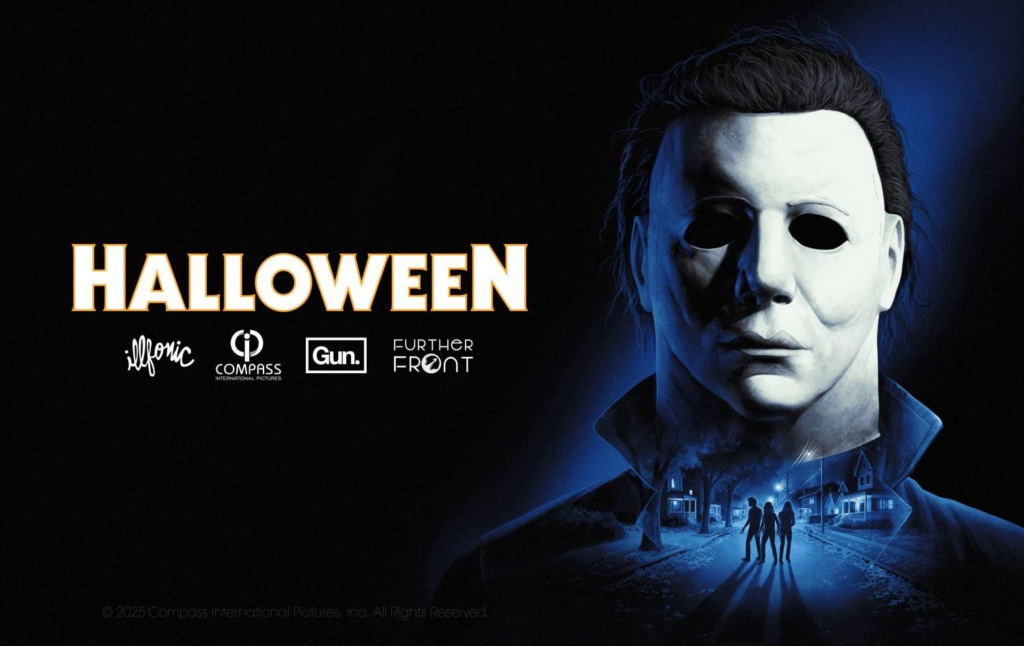
Halloween: The Game brings players back to Haddonfield and gives horror fans the opportunity to experience Michael Myers in an interactive form built around the atmosphere and tension that made the original film iconic.
For John Carpenter, the idea of Halloween becoming a video game has been sitting in the back of his mind for quite some time.
“Ever since I began playing video games, I’ve always thought that Halloween would make a fantastic game.”
Carpenter is famously a gamer himself, and his description of what makes Michael frightening may be even more revealing.
“He’s inevitable.”
That’s Michael Myers.
You don’t fear him because he’s going to perform some elaborate attack.
You fear him because you looked through the window thirty seconds ago and he wasn’t there.
Now he is.
That return to simplicity feels strangely refreshing.
After decades of increasingly complicated monsters, abilities and mechanics, Michael Myers reminds us that sometimes all horror needs is a dark street, a familiar piano melody and a white mask standing somewhere it absolutely shouldn’t be.
Hellraiser: Revival Opens the Box
Then there is Clive Barker’s Hellraiser: Revival.
If Halloween represents stripped-down slasher horror, Hellraiser occupies almost the opposite end of the genre.
Pain. Pleasure. Obsession. Body horror. Religion. Desire.
And things from another dimension that you really, really should not have summoned.
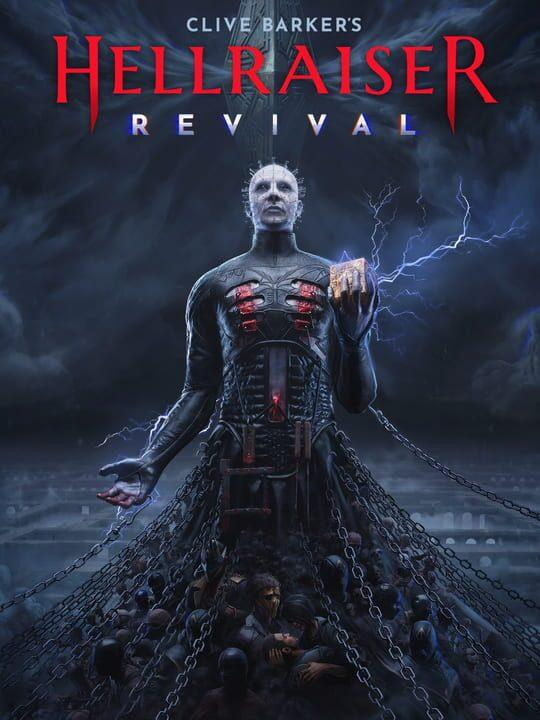
Launching October 8, 2026, Hellraiser: Revival is a single-player, first-person action survival horror game starring Aidan, who uses the mysterious Genesis Configuration while attempting to rescue his girlfriend Sunny from the Labyrinth.
And this isn’t simply Hellraiser imagery attached to an unrelated horror game.
Clive Barker consulted on the project, while Doug Bradley returns as Pinhead, bringing one of horror cinema’s most recognizable performances into the game.
Saber Interactive has also been unusually direct about what it wants the game to represent.
“From the very start, we’ve committed to holding nothing back.”
That’s probably the correct philosophy when adapting Hellraiser.
Because Hellraiser shouldn’t feel safe.
The series has always existed somewhere beyond conventional monsters and villains. The Cenobites aren’t simply chasing victims through hallways. They’re manifestations of an entirely different understanding of sensation, morality, pain and pleasure.
That distinction matters.
The developers aren’t merely asking how to make Pinhead frightening.
They’re asking how to make Hellraiser frightening.
The Genesis Configuration isn’t simply another weapon. It’s part of a world built around the reality-warping nightmare of the Labyrinth, while the game combines supernatural abilities with melee and ranged combat.
Are Horror Games Moving Beyond the Multiplayer Boom?
There’s another reason Hellraiser: Revival feels significant.
It’s single-player.
No killer queue. No four survivors. No need to design Pinhead around competitive balance.
Instead, Saber is building an approximately 8–12 hour offline campaign around one horror story.
That’s noteworthy after years in which licensed horror gaming became closely associated with asymmetrical multiplayer.
That format gave us some fantastic experiences, and it isn’t going anywhere. Halloween itself demonstrates that there’s still room for multiplayer horror.
But not every horror icon needs to become one player chasing four other players around a map.
Some monsters need a story.
Some need atmosphere.
Some need time.
And some need you to be alone.
Hellraiser especially benefits from that freedom because its horror isn’t simply about escaping a monster. It’s about entering a world whose rules you don’t fully understand.
Why Horror Video Games Still Make Us Feel Vulnerable
Perhaps that’s the thread connecting this entire resurgence.
The best horror games understand that fear comes from vulnerability.
Early Resident Evil made ammunition matter.
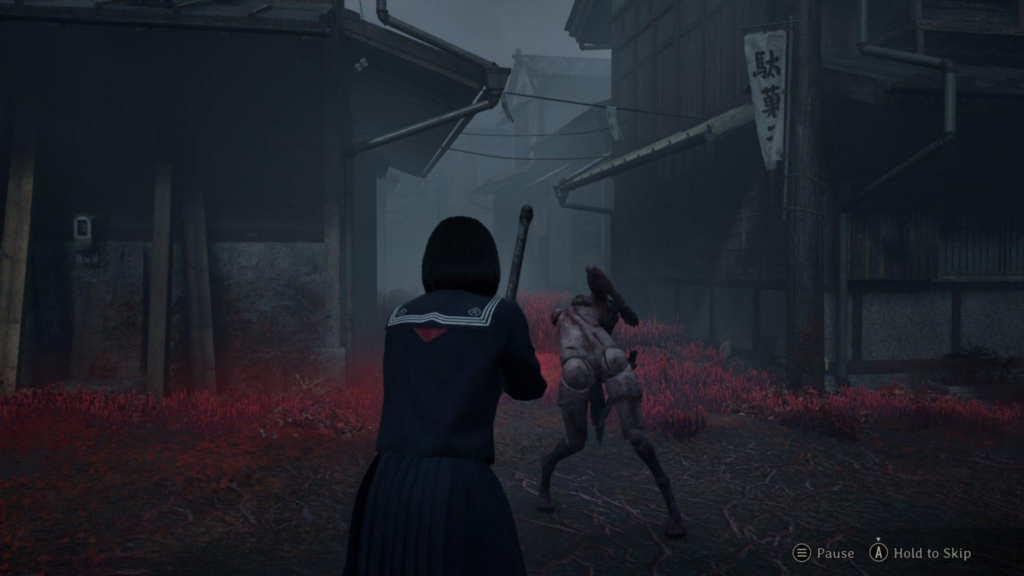
Silent Hill made ordinary streets oppressive.
Alien: Isolation gave you an enemy you couldn’t simply overpower.
Michael Myers works because stopping him never feels permanent.
Hellraiser works because understanding what you’re dealing with might be worse than not knowing.
Modern technology can create more realistic blood, lighting, faces and monsters than developers in the 1990s could have imagined.
But graphical fidelity isn’t what makes horror frightening.
Uncertainty does.
Atmosphere does.
Sound does.
Knowing something is nearby without knowing exactly where it is does.
And sometimes the most effective thing a developer can do is take power away from the player.
The Monsters Never Really Left
Maybe calling this the “return” of horror gaming isn’t entirely accurate.
Horror never went anywhere.
It evolved.
It became action-heavy. Then indie. Then viral. Then multiplayer. Then nostalgic.
Now all of those versions seem to be colliding.
Resident Evil is thriving again. Silent Hill has returned from years of uncertainty. Michael Myers is stalking Haddonfield. Pinhead is waiting inside the Labyrinth. New horror games are borrowing ideas from decades of survival horror while finding entirely new ways to make players uncomfortable.
And perhaps that’s why this moment feels different.
Developers aren’t simply resurrecting old monsters.
They’re remembering why we were afraid of them.
John Carpenter described Michael Myers perfectly:
“He’s inevitable.”
Horror games might be too.
Because no matter how many times the genre changes, disappears from the spotlight or supposedly dies, eventually somebody opens the wrong door.
Someone reads the strange book.
Someone solves the puzzle box.
Someone looks out the bedroom window.
And there he is.
Sources
Capcom: Resident Evil Requiem Sales Exceed 6 Million Units
Konami: Silent Hill f Surpasses 2 Million Units Shipped Worldwide
Popverse: John Carpenter Discusses Halloween: The Game at PAX East 2026
PlayStation Blog: Announcing Clive Barker’s Hellraiser: Revival
PlayStation Blog: Explore Horror’s Furthest Sensations in Hellraiser: Revival
Saber Interactive: Clive Barker’s Hellraiser: Revival FAQ