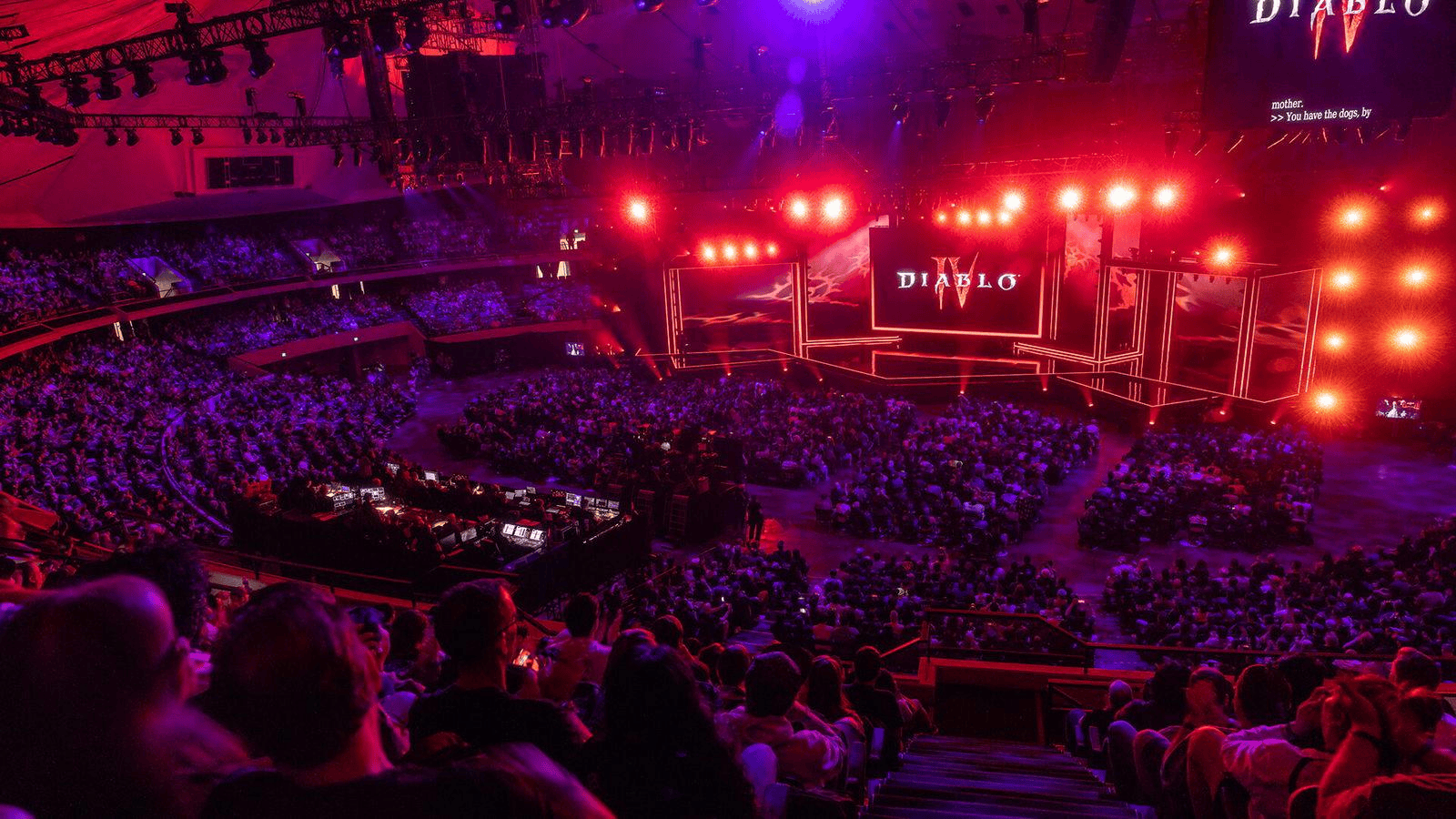
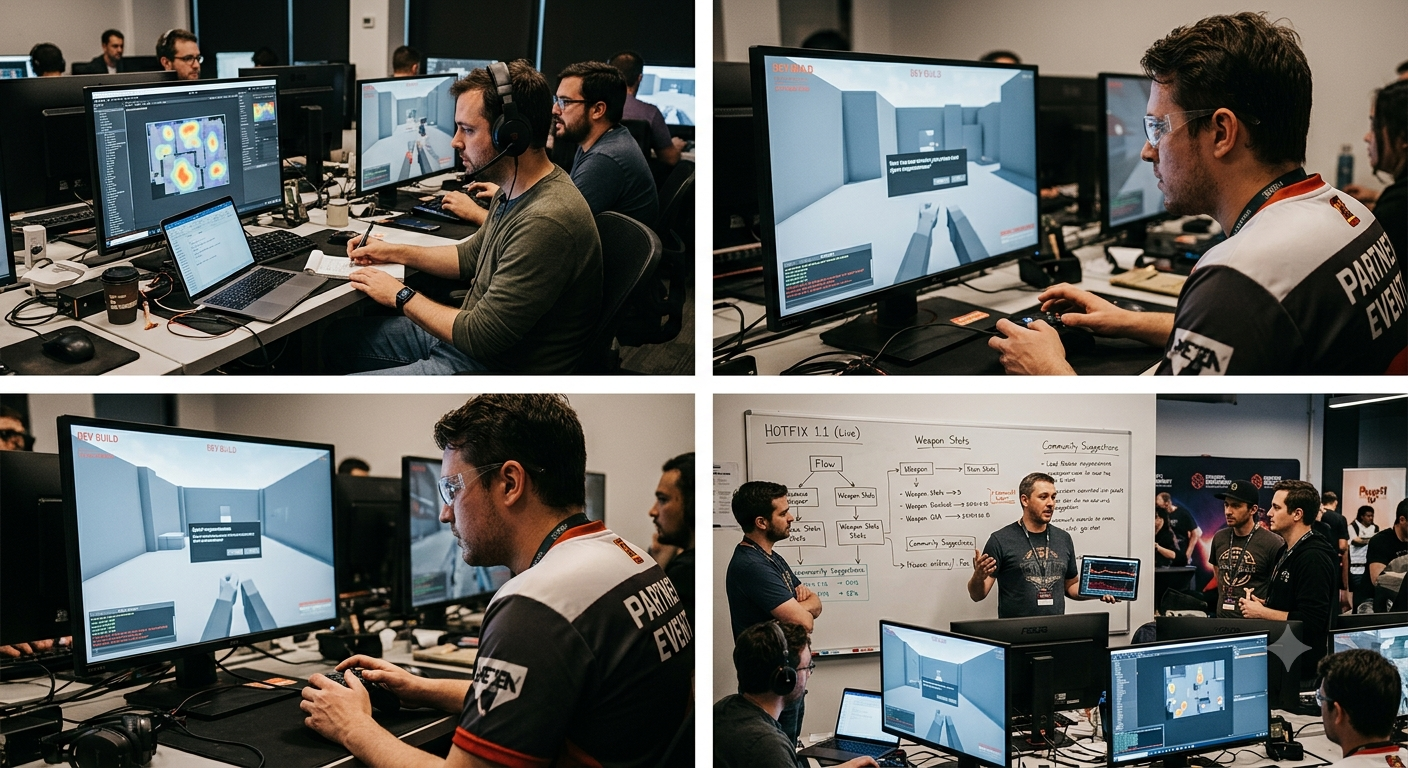
There’s a legendary moment in game development when a project leaves the sanitized isolation of internal Quality Assurance and enters the wild: the community playtest.
Whether it’s a localised studio showcase, an exclusive partner event, or a sweeping Early Access playtest build, throwing real players into an unfinished game is equal parts terrifying and essential. For decades, playtesting meant sitting a participant in a quiet booth with an eye-tracker and a feedback form. Today, community-first events, such as studio partner showcases and creator playtests, have turned game refinement into a collaborative, live-action art form.
So what actually happens when developers hand the controls over to the public before a game is finished? As it turns out, both sides leave the room with something invaluable.
What Developers Get: Beyond Raw Telemetry
Internal telemetry can tell a development team where players die, which weapon is selected most often, or how long a level takes to complete. What telemetry can’t measure is human emotion: frustration, confusion, boredom, or effortless flow.
- Telemetry Data: Tracks what happens (e.g., “70% of players die on Level 3”).
- Community Playtests: Explores why it happens (e.g., “The jump timing on the third platform feels muddy and unresponsive”).
1. The Crucible of “Mechanical Feel”
Game mechanics rarely feel good on paper; they feel good in the thumbs. During early access showcases, developers aren’t just looking at bug reports—they’re watching player body language.
- Input Latency & Responsiveness: Does that dodge roll feel snappier to a veteran fighting game player, or does it feel clunky?
- Audio-Visual Feedback: Does landing a critical hit feel satisfying, or does the screen shake feel nauseating after 20 minutes?
- Pacing & Flow: Are players sliding through combat effortlessly, or are they constantly stumbling over geometry and awkward menu UI?
2. Live Balancing in the Fire
When thousands of players (or hyper-focused community partners) jump into a playtest simultaneously, they break the game in ways internal QA never could. Players immediately find the mathematically optimal rotation, the broken frame-cancel, or the unintended weapon synergy.
Seeing an over-tuned shotgun ruin a lobby in real time gives balance designers immediate, undeniable data to tweak Time-to-Kill (TTK), cooldown timers, and hitbox physics before the official release launch.
What Players Get: Agency, Transparency, and Community
From the player’s perspective, early access showcases are no longer just marketing hype—they are a seat at the design table.
“Watching a mechanic you criticized on Friday get patched by Monday afternoon changes your entire relationship with a game. You stop feeling like a consumer and start feeling like an architect.”
1. A Peek Behind the Game Dev Curtain
Gamers often view game design as a black box. Attending a partner showcase or closed playtest demystifies the process. Players get to see grey-box environments, untextured assets, and placeholder audio. Understanding why a feature takes months to calibrate fosters empathy and reduces the friction between communities and development studios.
2. Direct Impact on the Final Product
There is an undeniable thrill in knowing a weapon balance, map adjustment, or quality-of-life feature exists in the shipping build because of feedback you submitted during an early test event.
| Feature Category | Pre-Playtest State | Post-Community Feedback State |
| Movement | Heavy inertia, delayed sprint startup | Snappier direction changes, reduced momentum lag |
| User Interface | Nested sub-menus for inventory management | Hotkey wheel with single-click quick-equip |
| Combat Mechanics | Flat damage numbers with standard audio | Dynamic hit-markers with distinct visual/audio cues |
The Feedback Loop: Making Playtests Work
Not all playtests are created equal. The most successful early access events rely on a tight feedback loop that respects both the developers’ vision and the players’ time:
- Focused Hypotheses: Devs don’t ask “Is the game good?” They ask specific questions: “Does the third-ability cooldown feel restrictive in 3v3 engagements?”
- Rapid Iteration: Small hotfixes rolled out during multi-day playtest events show players their feedback matters in real time.
- Transparent Post-Mortems: Publishing “What We Learned” blogs post-event builds immense goodwill and keeps the community invested for launch day.
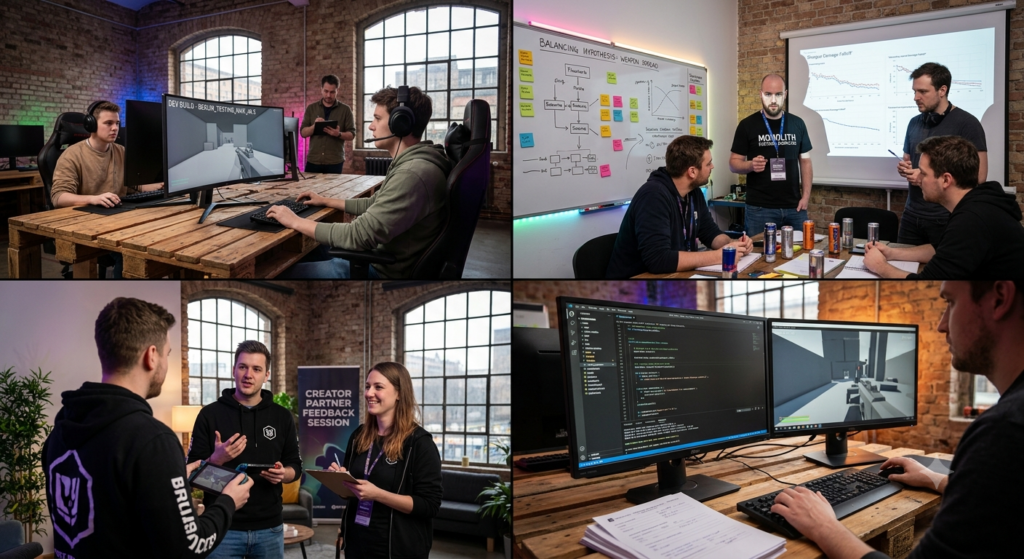
The Bottom Line
Community playtests and partner showcases are more than just server stress tests or promo opportunities. They represent a fundamental shift in how modern games are crafted—replacing top-down design assumptions with real-world human experience.
When developers open their doors early and players trade passive consumption for active collaboration, the end result is almost always the same: a better game for everyone.