
We’ve all seen it happen. Someone joins a Discord server, a Reddit community, or an esports league just looking for a group to hang out with. Six months later, they’re coordinating 300-player tournaments, managing a team of twenty moderators across three time zones, and handling live crisis communication when a server bot goes rogue.
Outside of digital spaces, this work is often brushed off as “just managing a gaming group” or “moderating a forum.” But inside it, something remarkable is happening: volunteer communities have become the ultimate sandbox for modern leadership and project management.
If you’ve ever stepped up from community member to community staff, you didn’t just pick up a shiny role tag—you acquired high-value professional skills. Here is how managing online spaces translates directly into real-world career muscle.
1. Project Management in High-Velocity Environments
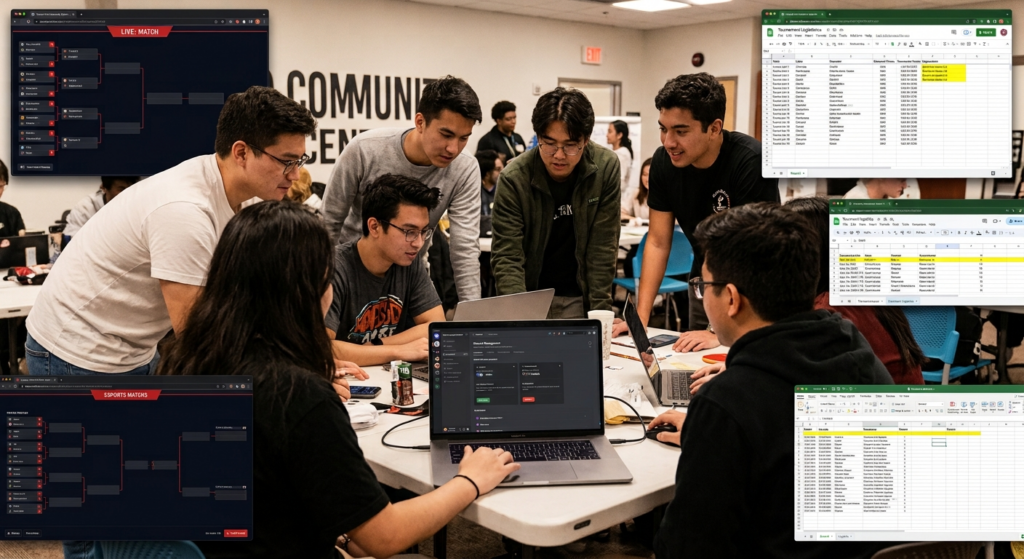
Organising an online tournament or launching a community event isn’t just “playing games”; it’s executing a full project lifecycle from ideation to post-mortem.
- Logistics & Scheduling: Aligning brackets, referee availability, live-stream production schedules, and player time zones requires strict timeline management.
- Resource Allocation: Managing prize pools, assigning mod roles, and setting up automated tools like bots or registration forms.
- Risk Management: What happens when a tournament team forfeits? What if the streaming software crashes mid-match? Staff members learn to build contingency plans on the fly.
Resume Translate: Instead of saying “Organized a community tournament,” frame it as: “Managed end-to-end logistics for a 128-team virtual event, coordinating a 10-person operations staff and delivering live streaming coverage to 5,000+ viewers.”
2. De-escalation & Crisis Communication
If you’ve moderated an active server or forum, you’ve already completed an unaccredited Master’s degree in conflict resolution.
Online communities operate 24/7, often with anonymous users, high emotional investment, and instant feedback loops. When drama erupts, staff members don’t have the luxury of hiding behind corporate PR approval chains. They must:
- De-escalate tension quickly under intense peer pressure.
- Enforce guidelines fairly and transparently while documenting evidence.
- Communicate sensitive decisions to the broader public without escalating the situation.
These experiences build emotional intelligence, thick skin, and clear, empathetic communication skills that corporate HR and management teams spend thousands of dollars trying to train.
3. Leading Without Formal Authority
In a traditional company, employees follow managers partly because of paychecks and hierarchy. In a volunteer community, nobody is getting paid, and anyone can log off at any second.
Leading a team of volunteer moderators or event staff requires a completely different management style—one rooted in influence, culture, and shared vision rather than top-down authority:
- Motivation & Engagement: Keeping volunteers engaged means recognizing their contributions, delegating meaningful tasks, and creating a culture where people want to contribute.
- Asynchronous Collaboration: Coordinating teams across different continents using tools like Notion, Trello, and Discord channels teaches modern remote-work hygiene.
Bridging the Gap: How to Market Your Community Experience
The biggest mistake community leaders make is keeping this experience off their professional profile. Hiring managers are actively looking for initiative, adaptability, and remote collaboration skills—community management proves all three.
| Community Activity | High-Value Professional Skill |
| Server/Forum Moderation | Policy Enforcement, Conflict Resolution, User Safety |
| Tournament & Event Hosting | Project Management, Vendor & Talent Coordination, Live Operations |
| Bot & Web Development | Technical Implementation, Product Design, Process Automation |
| Recruiting & Onboarding Staff | Talent Acquisition, Team Leadership, Documentation |
The Takeaway
Stepping up from a casual member to a staff role in a volunteer community is rarely easy—it takes patience, time, and grit. But it’s also one of the most accessible, low-risk, high-reward ways to practice real leadership before ever setting foot in a corporate boardroom.
The next time you pull off a seamless community event or navigate a tough server conflict, remember: you’re not just building a server—you’re building your career.