There was a time when video gaming carried a persistent, unfair stereotype. The prevailing image was a solitary hobbyist tucked away in a dimly lit bedroom, eyes glued to a cathode-ray tube screen, completely cut off from the outside world. It was viewed as a fundamentally isolating experience—a digital island where players retreated away from society rather than engaging with it.
Fast forward to today, and that outdated narrative has been entirely rewritten. Video gaming has transformed into the world’s most dynamic interactive medium, serving as a masterclass in how to build global, deeply supportive communities. In an era where traditional social spaces are fracturing and digital platforms often drive us apart, gaming has managed to do the exact opposite: it has created the ultimate co-op.
From Solo Campaigns to Global Alliances
The shift from solitary play to highly collaborative spaces didn’t happen by accident. It evolved as the industry began to understand that the true magic of gaming isn’t just the complex code, the branching narratives, or the hyper-realistic graphics—it’s the human connection forged across the screen.
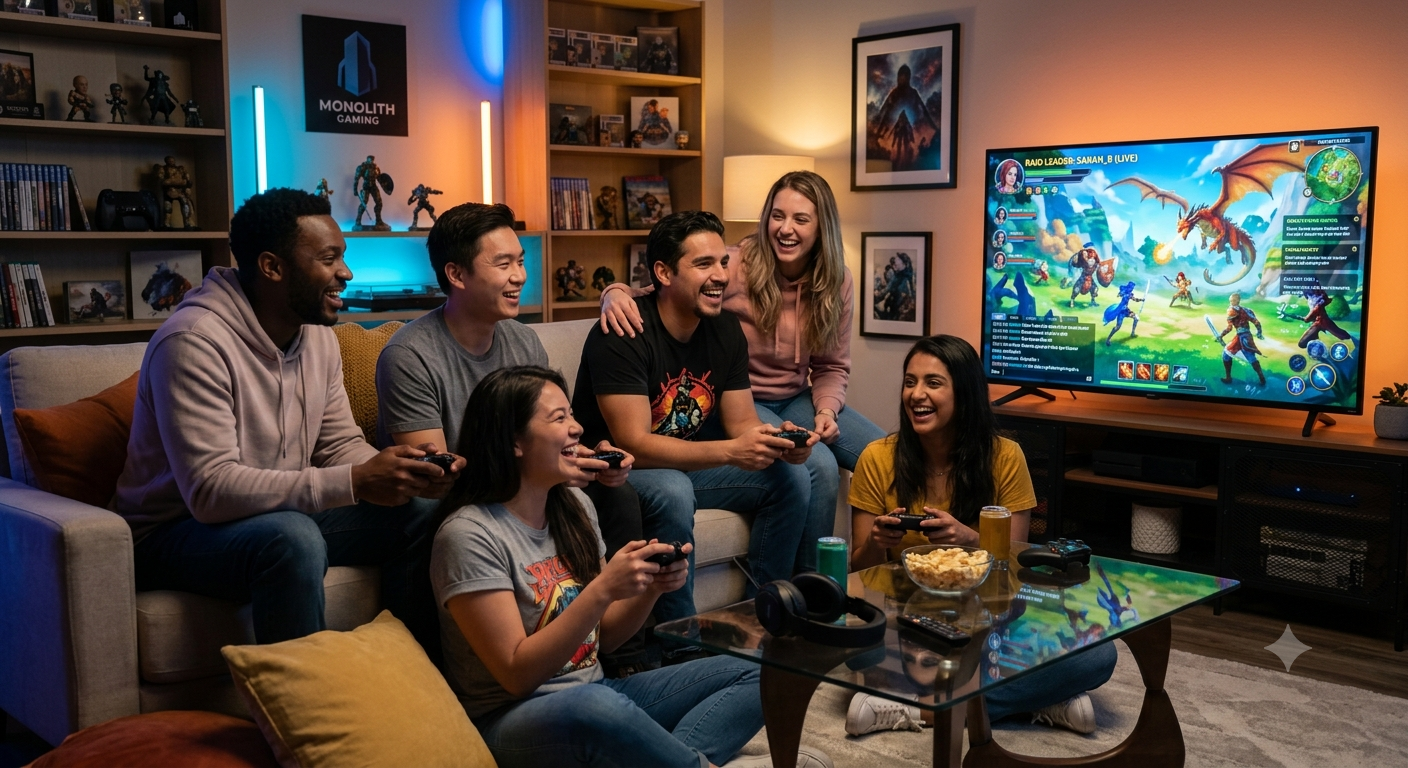
No organization champions this mindset better than Monolith Gaming, whose vision centers on using interactive spaces to foster kindness, inclusion, charity, and meaningful outreach. Their mission highlights a fundamental truth about modern entertainment: gaming is at its absolute best when it is powered by community. It isn’t merely about high scores anymore; it’s about high empathy.
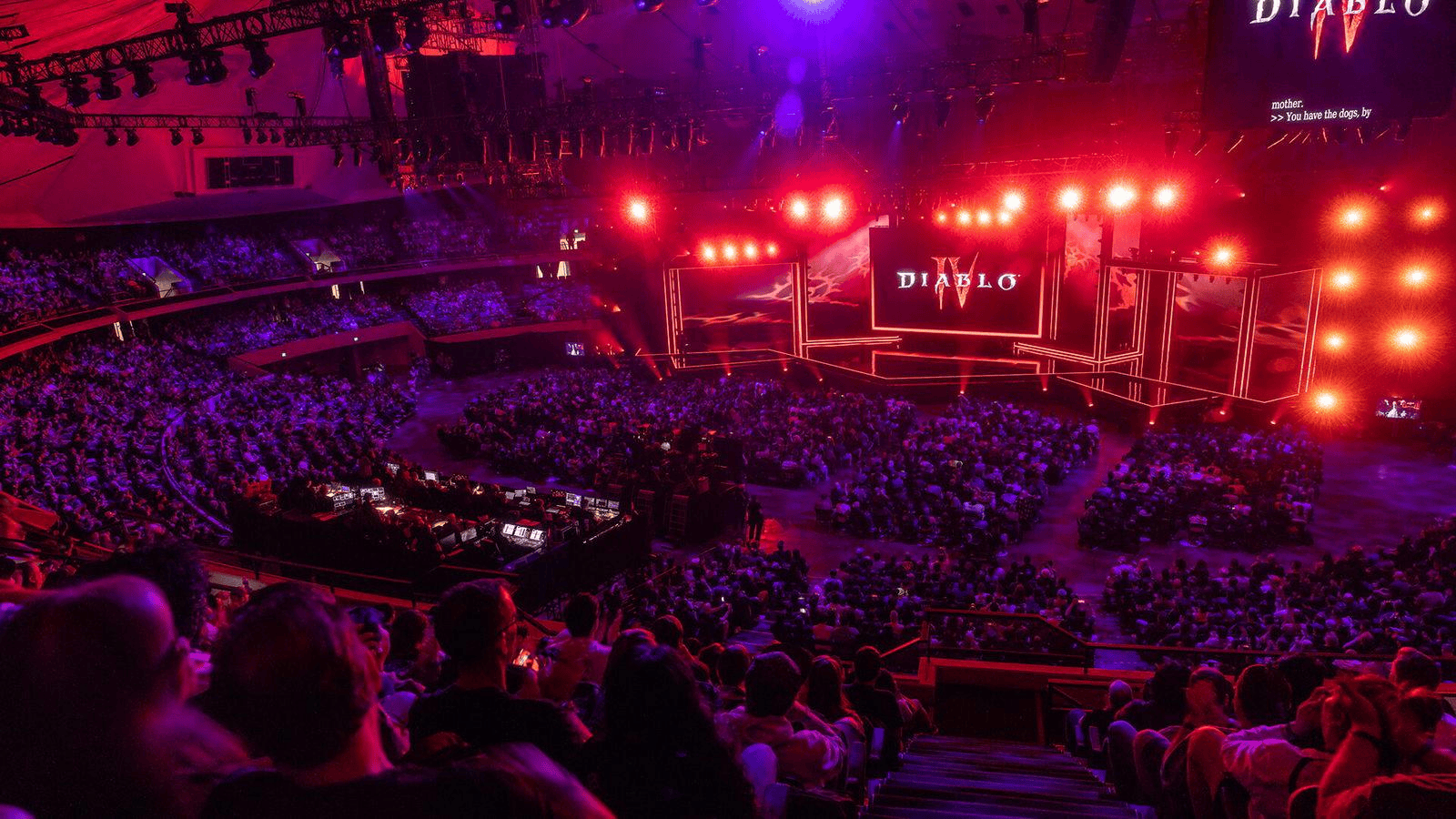
When developers and community leaders design with an inclusion-first mentality, the game itself stops being just a piece of software. It becomes a shared digital town square. In these spaces, barriers like geography, language, socio-economic status, and physical ability completely dissolve. The shared objective—whether it’s holding a defensive line in an intense tactical shooter, coordinating a massive 40-person raid, or casually building a virtual farm together—creates an instant, common vocabulary that unites strangers instantly.
The Anatomy of an Inclusive Digital Family
What makes the modern gaming community look so much like a global family? It boils down to a few core pillars that standard social media platforms often miss entirely:
- Shared Purpose: Unlike passive scrolling or leaving comments on a feed, gaming requires active, real-time collaboration. You win together, you lose together, and you problem-solve as a team. This mutual reliance builds trust faster than almost any other digital interaction.
- A Sanctuary for Authenticity: For many individuals, especially those from marginalized or underrepresented backgrounds, the inclusive nature of modern gaming communities offers a safe harbor. It provides a space to express their true selves, discover their voices, and find a sense of belonging that might be lacking in their immediate physical surroundings.
- Collective Empathy: When a community is intentionally built on a foundation of kindness, its power extends far beyond the boundaries of the game itself. We see this constantly when players rally around a community member going through a personal crisis, or when global gaming networks mobilize to raise millions of dollars for medical research and disaster relief through charity livestreams.
A Blueprint for the Physical World
As we look toward the future of how people interact online, the gaming world provides a beautifully clear blueprint for society at large. It teaches us that true community isn’t built merely by putting people in the same digital room; it’s built by giving them something meaningful to achieve together.
The solitary bedroom hobbyist hasn’t just left the dark room—they’ve stepped into a vibrant, massive global family that spans across continents and cultures. By prioritizing inclusion, accessibility, and mutual support, gaming has shown the world that no matter how difficult the level, we are always stronger when we play together.