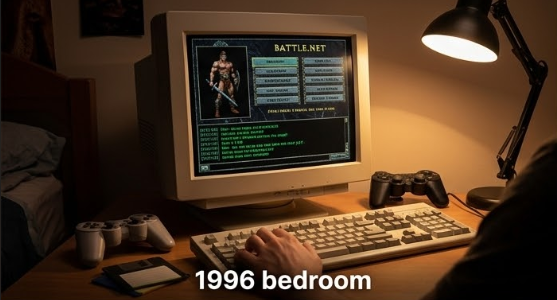
If you were online in 1996, you remember the sound: the electronic screech of a 28.8k dial-up modem fighting for life, followed by the quiet triumph of connecting to IRC or an unencrypted Battle.net channel.
Back then, gathering a squad meant coordinating phone calls, waiting for Mom to get off the landline, and hoping your ping stayed under 300ms so your character wouldn’t rubberband into oblivion while fighting Diablo’s Butcher or rushing Zerglings in StarCraft.
Thirty years later, our core group is still gaming together. We’ve grown from high schoolers staying up past 3:00 AM on summer break to working adults, parents, and retirees spread across different time zones. We’ve survived the death of dial-up, the migration of platforms, and the shift from niche hobby to global culture.
Here is how our community survived three decades of technological evolution—and what 30 years on the digital frontlines taught us about building online connections that last.
1. Platforms Die. Culture Survives.
Over thirty years, an online community lives through several digital exoduses. If your group ties its entire identity to a single platform, you risk dying when that platform fades.
1996: IRC Channels & Classic Battle.net
 └──> 2002: PHPBB Forums & Ventrilo / TeamSpeak
       └──> 2010: Facebook Groups & Skype
             └──> 2016+: Discord Servers & Integrated Cross-Play
Every shift required intentional effort. Moving from threaded forums to Discord felt chaotic to our veterans; transitioning from custom Ventrilo servers to free VoIP platforms felt like giving up something home-grown.
The Lesson: The “place” you hang out in is just drywall and paint. The community is the people inside. Don’t fight technological shifts—embrace new tools early enough so no one gets left behind on a ghost ship platform.
2. Low-Friction Gaming Keeps the Engine Running
In 1996, getting eight people into the same match required an act of Congress. You needed matching game patches (downloaded over hours), port-forwarding wizardry, and third-party tools like GameSpy or Kali.
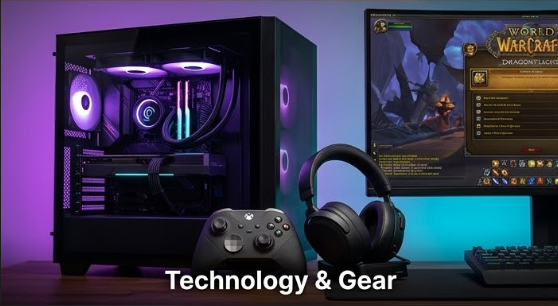
Today, modern cross-platform ecosystems mean a friend on a PS5, another on an Xbox, and two on PC can jump into a match with zero setup in under thirty seconds.
As a community ages, time becomes everyone’s rarest resource.
- In 1996: We had 6 hours to spend fixing a local LAN setup.
- In 2026: We have 45 minutes after the kids go to bed before fatigue sets in.
Cross-play, drop-in multiplayer, and persistent Discord voice channels saved our group. Removing friction isn’t just a convenience; it’s the single biggest factor in keeping busy adults playing together.
3. Evolve Beyond the “Main Game”
Many gaming guilds form around a single title—a World of Warcraft raiding guild, a Counter-Strike clan, or a Destiny fireteam. But games inevitably sunset, meta shifts alienate players, or collective burnout strikes.
Our community survived because we made a conscious decision early on: We are a social group that plays games, not a game group that happens to be social.
When our primary game died, we didn’t dissolve. We pivoted to:
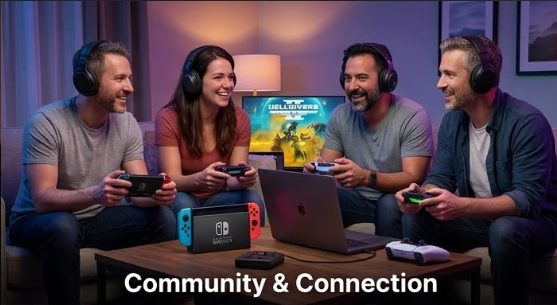
- Co-op survival games (Valheim, Helldivers) for casual catch-up nights.
- Board game simulators and party games for lower energy evenings.
- Asynchronous chat channels (food, pet photos, tech support) to stay connected during work hours.
4. Institutional Memory is Your Group’s Superpower
What keeps someone coming back to the same Discord server for ten, twenty, or thirty years? It’s the shared history.
We keep a #hall-of-fame channel in our server filled with screenshots spanning decades—from grainy 640×480 BMPs of 1990s guild events to modern 4K clips of hilarious game-ending blunders. We still quote jokes that originated in an IRC channel during the Clinton administration.
When new members join, they aren’t just joining a voice chat; they’re stepping into an ongoing story. Preserving your community’s lore creates a sense of belonging that no algorithm can replicate.
The Ultimate Takeaway
Thirty years ago, the media often framed online gaming as an isolating pastime—a hobby for people sitting alone in dark rooms.
Looking back from 2026, the opposite turned out to be true. Those late-night IRC chats and high-latency matches were the foundation for lifelong friendships. We’ve attended each other’s weddings, sent support during tough life events, and watched a generation of young gamers grow up.
Hardware changes, platforms vanish, and game genres go in and out of style. But if you focus on the people behind the handles, a gaming group can last a lifetime. Here’s to the next 30 years.