
Leveling Up from Within: Why Volunteer Training is the Backbone of Monolith Gaming
Since 1996, Monolith Gaming has grown from its roots as Battle Net Revolution into a cross-platform, multi-game community built to last. For nearly three decades, one principle has remained constant: a gaming community is only as strong as the people who run it behind the scenes.
Organizing tournaments, managing Discord servers, supporting creators, and running live events take real coordination. While many online communities rely on informal moderation and ad-hoc event organizing, Monolith Gaming takes a different approach: structured volunteer training.
“Passion brings people through the door, but clarity, structure, and leadership training are what empower them to stick around and thrive.”
1. The Critical Importance of Volunteer Training
In any community driven by volunteers, enthusiastic recruits are eager to jump in. However, without a formal training framework, even the most passionate team members can quickly feel overwhelmed or uncertain. Training isn’t just about showing someone where the mute button is—it is the foundation of community health and long-term success.
- Ensuring Consistency: When staff members receive unified training, community guidelines are enforced fairly and consistently across every channel, server, and competitive event.
- Protecting the Brand & Culture: Volunteers are the face of Monolith Gaming. Proper training equips them to handle sensitive situations professionally, ensuring the brand maintains a welcoming, respectful environment for adult gamers (18+).
- Empowering Independence: Well-trained volunteers don’t need constant oversight. Training gives staff the confidence to make quick, sound decisions during live events or high-stress community moments.
- Creating a Path for Growth: Clear training milestones show volunteers how they can grow within the organization, turning entry-level moderators into division directors and community leaders.
2. Onboarding Beyond the Rules List
Every gaming community has a list of rules: Be respectful, no spamming, keep it PG-13. But hand-off rulebooks rarely equip a volunteer to handle a heated mid-match dispute or coordinate a 64-team bracket.
Effective volunteer development focuses on practical onboarding:
- Role Shadowing: Pairing new staff members with seasoned directors across IT, Operations, Marketing, and Engagement.
- Conflict Resolution: Training moderators to de-escalate tension rather than jumping straight to bans.
- Platform Literacy: Ensuring volunteers know the ins and outs of Discord management, bot integration, and live-stream management.
3. Leadership Development as a Core Value
Volunteering in esports and gaming communities shouldn’t just be unpaid labor—it should be a career-building playground. Skills acquired in community ops translate directly into real-world professional environments:
| Community Skill | Professional Equivalent |
|---|---|
| Discord Moderation | Conflict De-escalation & Compliance |
| Tournament Operations | Project Management & Live Logistics |
| Community Outreach | Public Relations & Event Marketing |
| Technical Support | Systems Administration & User Support |
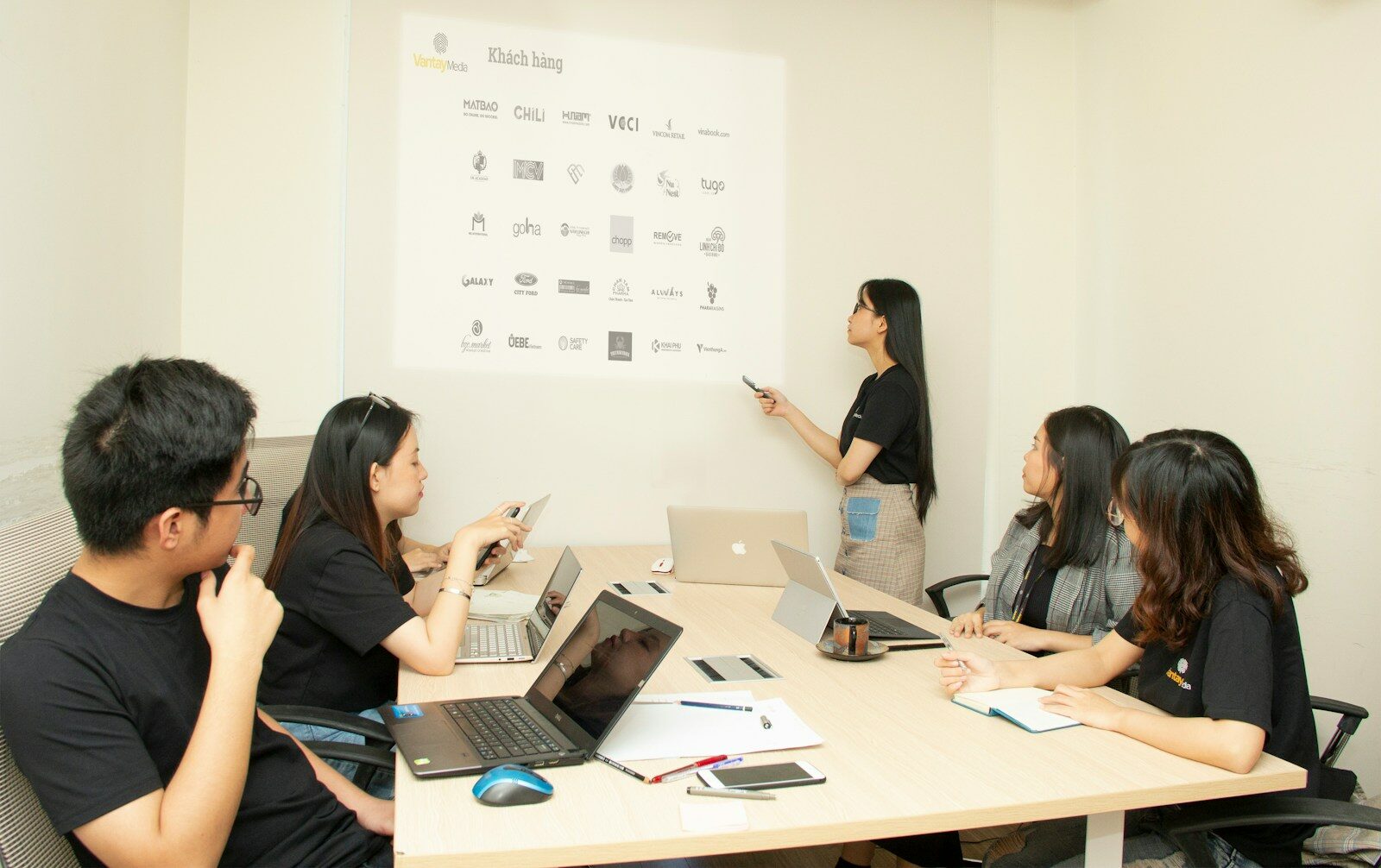
Through targeted staff training sessions and leadership modules, team members learn how to manage teams, analyze engagement metrics, and execute long-term strategic goals.
4. Burnout Prevention & Sustainable Growth
The leading killer of volunteer-driven gaming communities isn’t a lack of members—it’s volunteer fatigue. Passionate gamers jump in, give 110% for two months, burn out, and vanish.
To combat this, Monolith Gaming embeds sustainability into its training:
- Clear Workflows: Documented processes for tournament setup, community announcements, and partner support so no single person holds all the keys.
- Delegation Frameworks: Teaching team leaders how to distribute tasks rather than taking on every issue personally.
- Defined Rotations: Encouraging scheduled time off during major gaming release off-seasons.

Building Something That Lasts
Whether supporting charity initiatives like Gamers Outreach, hosting organized play, or expanding partner network programs through the United Gaming Collective, investing in volunteer education is what turns a simple gaming club into an enduring institution.
When volunteers are trained, valued, and equipped with real leadership skills, the entire community wins.